Can Prefab Steel Buildings Really Reach the Heights Required by Industrial Projects?
What Are the Typical Height Requirements for Industrial Buildings?
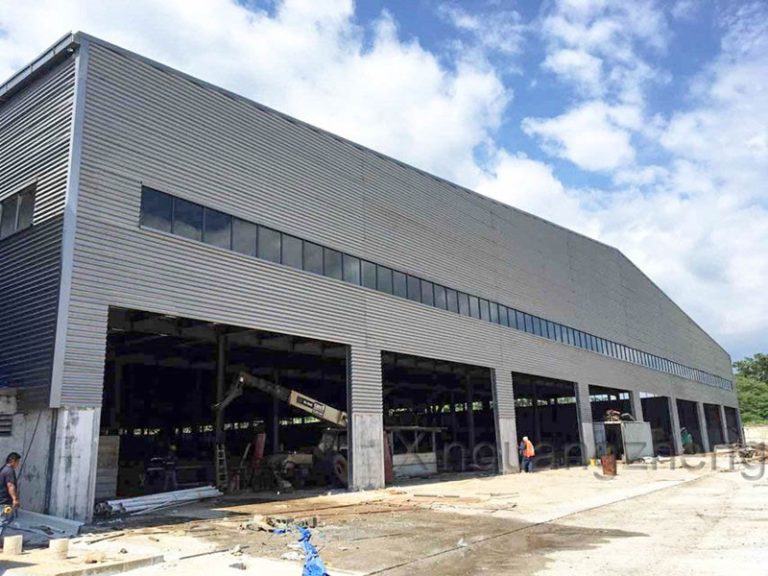
Industrial operations like warehouses, manufacturing plants, and logistics hubs frequently require significant vertical clearance. These prefab steel building applications typically demand unobstructed interior heights ranging from 20 feet to over 40 feet. They need to accommodate substantial equipment, racking systems, or automated storage and retrieval systems. In specific sectors such as aerospace or heavy machinery manufacturing, structures can exceed 60 feet in height.
Extra functional elements like mezzanines, conveyor belts, or overhead cranes add to these height needs. For example, a prefab steel building for a paint shop or fabrication line might include a crane system. This requires higher eave and ridge heights to ensure safe and efficient operation.
How Do Prefab Steel Building Designs Accommodate Tall Structures?
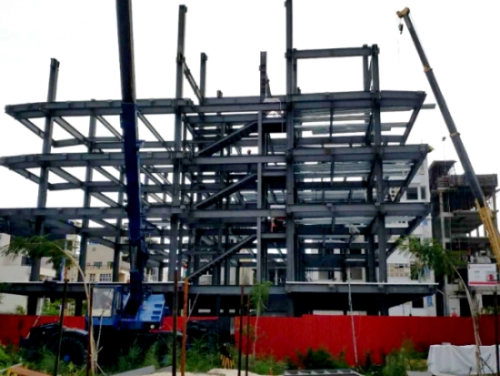
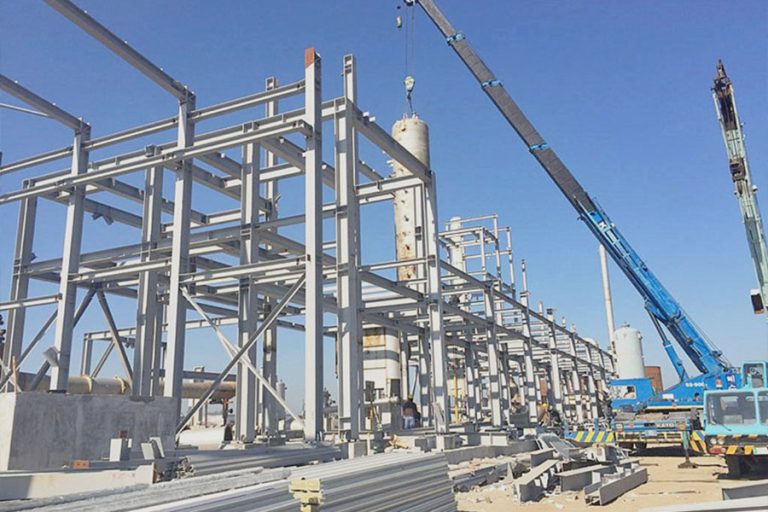
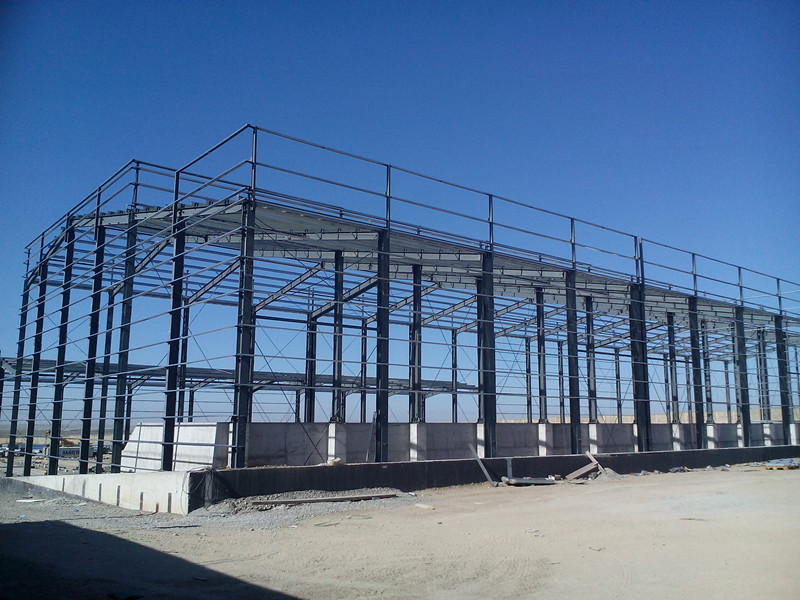
Prefab steel buildings fit tall structural needs well because of their basic strength and design options. Engineered steel framing systems permit clear-span construction. This removes interior columns and boosts open vertical space. These designs rely on rigid frames and trusses built to handle major vertical and horizontal loads.
Column spacing can be adjusted to fit specific operations. The use of tapered beams and high-strength steel keeps the building solid even at greater heights. XINGUANGZHENG has the processing skills for light steel, heavy steel, large-span truss steel structure, bridge steel structure, high-rise, super-high-rise steel structure, large equipment steel structure, and space steel structure. This allows precise tailoring of the structure to the space needs of any industrial application.
Are There Limits to the Span and Width of a Prefab Steel Building?
What Span Capabilities Can Be Achieved with Prefab Steel?
One major advantage of a prefab steel building lies in its capacity to form broad, open areas. These buildings commonly span 100 feet or beyond. They do so without any interior support columns. This kind of broad-span design offers great value in settings such as aircraft hangars, large warehouses, and production plants. There, open floor plans support easy movement and smooth workflow.
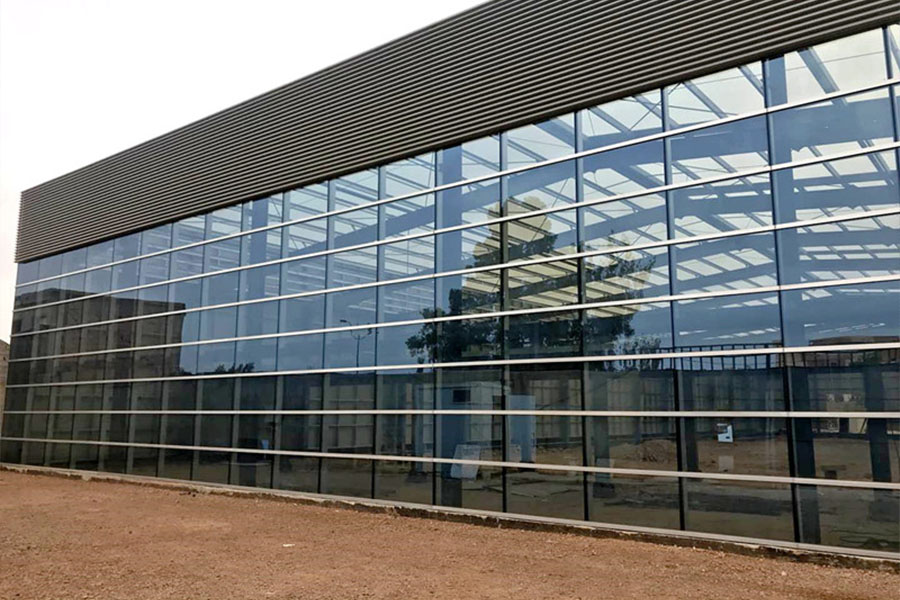
For instance, XINGUANGZHENG finished a logistics workshop in Algeria. The construction had a three-floor office, curtain glass walls, and a main steel frame using box columns. This shows the brand’s ability to provide large-scale prefab steel building solutions.
How Do Span and Height Work Together in Industrial Design?
The link between span and height in an industrial prefab steel building matters a lot. Height growth raises the demand for wider spans. This avoids unused vertical space and keeps operational efficiency. Structural engineers figure out live loads, wind resistance, and seismic activity. They do this to guarantee safety in both areas.
Prefab steel systems aim to use materials wisely. At the same time, they reach both broad widths and high heights. XINGUANGZHENG’s engineering team offers custom solutions. They use advanced tools like BIM design to balance these factors well.

How Do Prefab Steel Buildings Meet Local Codes and Safety Standards?
Are Tall Prefab Steel Structures Code-Compliant?
Yes, tall prefab steel buildings require careful engineering to follow strict codes. Designs follow International Building Code (IBC) standards and local zoning laws. Engineering teams check area wind speeds. They also examine snow loads. Plus, they assess seismic risks. And they look at fire safety rules. They handle all this while preparing plans.
XINGUANGZHENG has gained American (AISC), European (EU), Russian (EAC), and national standard certifications. Our AISC certification proves our fit with international steel construction standards. Insulated panels with fire resistance ratings and smart ventilation systems help meet these rules further.
What Role Does Engineering Play in Ensuring Structural Safety?
Engineering serves as the core of safety in all prefab steel buildings. Structural engineers perform thorough inspections. These inspections cover studies on load-bearing capacity. They also involve dynamic simulations for wind or seismic stress. In addition, they address integration planning for mechanical systems.
XINGUANGZHENG blends engineering consulting services across planning, architectural design, structural engineering, MEP systems, and BIM modeling. This complete method makes sure every part of tall building construction matches safety rules and lasting strength.
Can Customization Options Support Specialized Industrial Needs?
How Flexible Are Design Options in a Prefab Steel Building?
Current prefab steel buildings give many customization choices. Customers choose eave heights, roof slopes, door sizes, insulation types, and foundation styles. They incorporate tools such as HVAC systems, solar panels, or overhead cranes. This occurs during the initial design phase.
XINGUANGZHENG offers expert custom services for each customer and project. Our team of over 100 senior technical talents creates designs for specific projects. We do this until clients feel satisfied. Modular features also permit future growth—both up and out. This makes prefab steel buildings very adaptable to expanding industrial needs.
What Accessories Enhance Functionality in Tall Industrial Spaces?
To boost results in high-clearance areas, several accessories can join a prefab steel building. Overhead bridge cranes help with heavy lifting tasks. Insulated sandwich panels hold steady internal temperatures no matter the ceiling height. Skylights and ridge ventilators provide better air flow and cut down on fake lighting use.
From crane-ready frames to automated ventilation systems, these extras make sure that even tall prefab structures stay effective and easy to use.
Is Installation Efficient Even for Large or Tall Prefab Structures?
How Long Does It Take to Erect a Tall Prefab Steel Building?
A main plus of a prefab steel building is shorter build time. Components get pre-engineered and made off-site. So, on-site assembly goes much quicker than old-style builds. Marked components and ready-drilled openings help the setup process go more easily.
For instance, XINGUANGZHENG completed the setup for the Tonghe Hanlan Phase V project. This covers 48,000 square meters. The team managed it in just 90 days. This came 10 days ahead of schedule. Weather delays lessen because the shell erection takes less time.
What Factors Influence Installation Time for Taller Designs?
The build schedule of a tall prefab steel building can change due to several factors. These include crane access, site conditions, weather changes, crew skill levels, and phased construction plans. Taller designs might need special gear or scaffolding plans to ensure safety during high work.
XINGUANGZHENG’s one-stop service covers scheduling management and on-site help. This ensures fast and safe work on tall structures.
Why Choose XINGUANGZHENG for Your Industrial Building Project?
What Makes XINGUANGZHENG a Reliable Provider of Tall Prefab Steel Buildings?
XINGUANGZHENG brings over 30 years of know-how in delivering strong prefab steel building systems across six continents. We have done more than 10,000 projects worldwide. These include multi-story factories, logistics parks, cold storages, aviation hangars, and more. All are designed with custom height and span setups.
Our globally certified facilities handle both heavy-duty industrial uses and light-frame modular projects with the same care.
What Other Products Are Available from XINGUANGZHENG Besides Standard Prefab Steel Buildings?
Besides standard prefab steel building kits, XINGUANGZHENG also supplies:
- Pre-engineered metal buildings for rapid deployment
- Modular units adaptable for offices or temporary housing
- Specialized structures like stadiums, animal farming houses, and power plants
These varied options position XINGUANGZHENG as a full supplier for all industrial-scale construction needs using prefab steel building solutions.
FAQ
Q: What is the maximum height achievable with a prefab steel building?
A: XINGUANGZHENG has delivered prefab steel buildings with heights exceeding 36 meters. The height can be customized based on client requirements using rigid frame or truss structures.
Q: Are prefab steel buildings suitable for installing overhead cranes?
A: Yes, prefab steel buildings from XINGUANGZHENG can be designed with integrated crane beams or rails. Several past projects included multi-ton crane systems within factory structures.
Q: How quickly can a large industrial steel building be installed?
A: Depending on size and complexity, installation can be completed in under three months. For example, XINGUANGZHENG completed a 48,000 sqm facility in just 90 days.
Q: Can I add mezzanine floors inside a tall prefab steel warehouse?
A: Yes. Mezzanine levels can be designed into any XINGUANGZHENG prefab steel building to optimize vertical space utilization.
Q: Do tall prefab buildings meet fire safety codes?
A: Absolutely. XINGUANGZHENG includes fire-rated insulation materials and adheres to local fire safety regulations during design and material selection for all tall industrial projects.