1. Reduction of Construction Waste Through Precision Manufacturing
Minimizing Material Overuse with Off-Site Fabrication
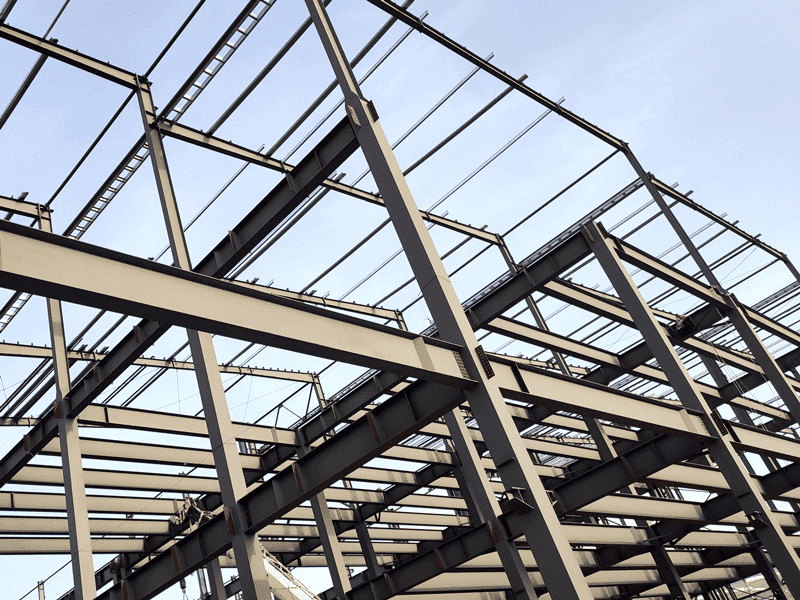
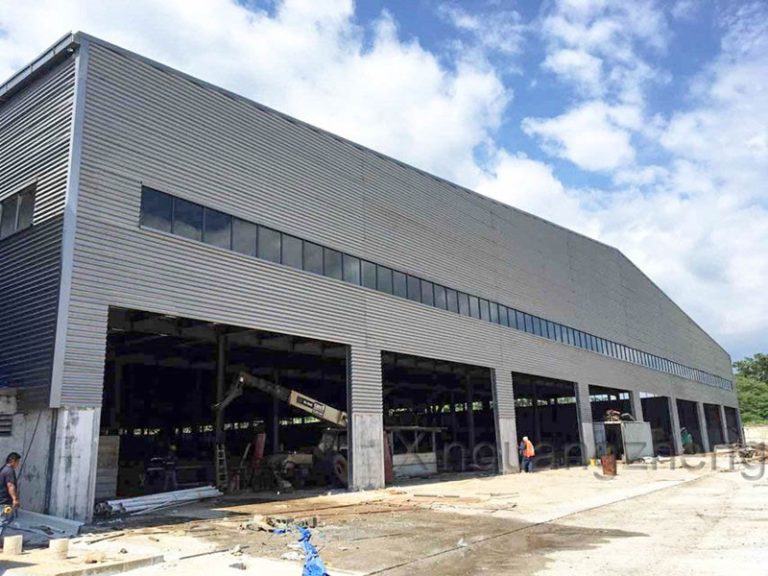
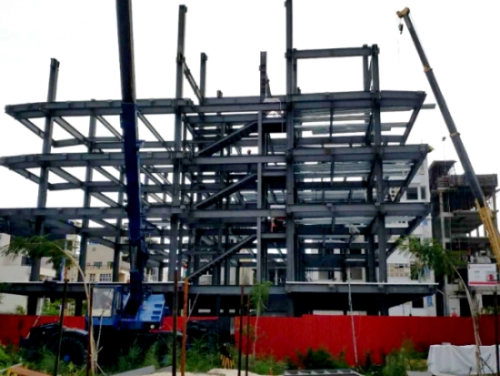
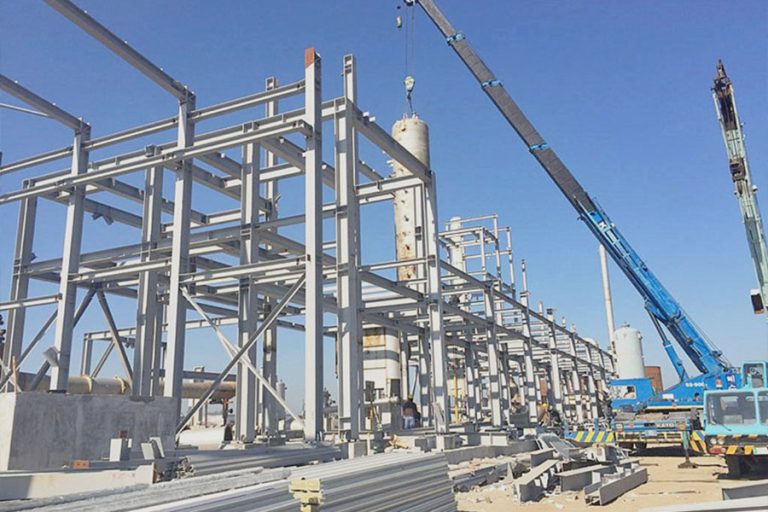
Precision manufacturing in prefabricated steel buildings lets every part get digitally planned and made before it arrives at the construction site. This method cuts out uncertainty. It also lowers cutting mistakes. Plus, it makes sure that just the needed amount of steel goes into each part. Right now, XINGUANGZHENG holds steel structure certification qualifications. We also have production systems that follow American standards, European standards, Russian standards, and national standards. The company uses domestic modern smart tools like laser plate cutting machines, intelligent profile cutting machines, intelligent profile marking machines, welding robots, laser pipe cutting machines, large bending machines, box beam automatic production lines, welding H-steel production lines, assembly welding and correction automatic production lines, and automatic spraying lines. These automated tools ensure exactness in steel cutting and assembly. They do this for engineering in warehouse building projects.
Off-site fabrication improves resource handling by bringing production together in one place. It cuts down on waste that happens on the site. It also improves delivery plans since parts are pre-planned to fit exactly when put together. The steady setting in the factory also lessens harm to materials from weather or people making errors.
Implementing Closed-Loop Material Systems
Today’s steel-making plants often use closed-loop systems more and more. These systems help reuse small pieces and leftover materials from the making process. The production digitalization system handles contract management. It also deals with production planning and scheduling (MES). In addition, it covers technical management, on-site execution (App reporting, quality management), safety management, logistics and delivery. This system links up smart device IoT and BIM visualization. It runs all the way through the whole production chain. Such linking helps track materials from buying them to recycling them. When materials are reused in the same process, it lowers the need for new raw materials. At the same time, it keeps the strength of prefabricated steel frames intact.
2. Steel Recyclability and the Circular Economy
Steel as a Key Component in Circular Material Flows
Unlike old-style concrete structures that turn into waste after they get torn down, steel can be melted and used again without losing its power. Steel structures can reach 80% recyclability. This makes sustainable reuse possible. In a straight-line economy model, materials get taken from the ground, used one time, and then thrown away. But circular flows push for ongoing reuse. Prefabricated steel buildings fit well with this model. They do so because every column or beam can be used again in later projects.
This ability to recycle helps a lot with green building practices. It does this by cutting down on waste in landfills and saving natural resources. In big industrial or warehouse building engineering projects, the circular use of steel ensures good environmental results over a long time.
Rising Demand for Recycled Content in New Buildings
The worldwide building field wants more and more recycled materials in new projects. This helps meet green building approvals. Recycled steel gives the same strength as new material. Yet, it uses less power when processed again. The green gains include less carbon release and a smaller need for digging in mines. XINGUANGZHENG’s custom one-stop construction solution brings in the sourcing of recycled materials. It does this through its prefab processes for customers who aim for green goals.
3. Energy Efficiency and Emissions Reduction
Lower Energy Use and Emissions During Construction
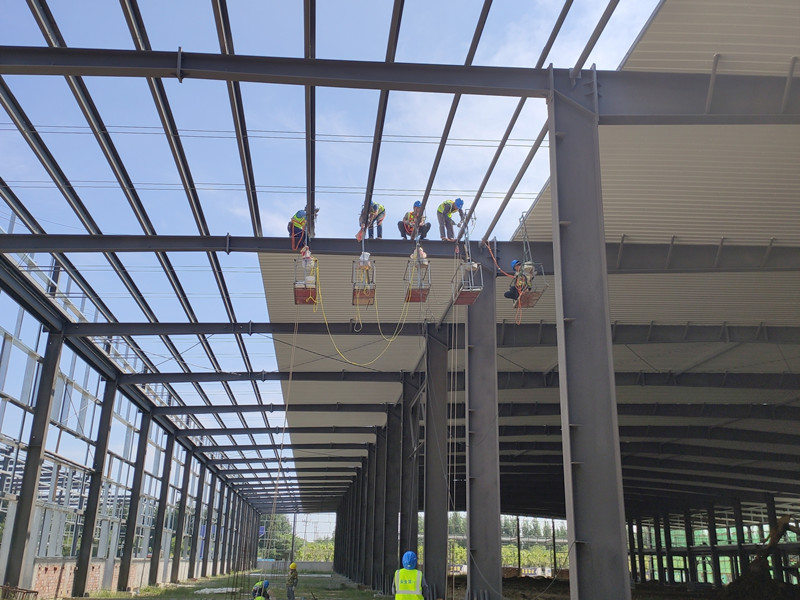
Prefabrication cuts down a lot on fuel use right at the site. This happens because most tasks take place in factories. There, machines work in better-tuned settings. Using less heavy gear on-site means fewer releases from diesel motors. Old brick-concrete buildings need time to let the concrete set properly. But steel parts get made ahead of time in factories. Then, they just need to be put together on-site. This way shortens project times by as much as one-third over usual structures. It also lessens the upset to nearby areas.
Long-Term Operational Energy Performance
Energy saving goes beyond the building phase. It reaches into how the building works day to day. XINGUANGZHENG’s building envelope system uses sandwich panels. These have rock wool or polyurethane cores that give strong heat-blocking results. The building envelope system covers three main parts: wall, roof, and floor. Through smart structural shapes, it handles jobs like heat blocking, water blocking, sound blocking, energy saving, and good looks. These traits lower the need for heat or cool air all year. Using BIM in design lets engineers fine-tune insulation layers for each kind of project. This works for places like industrial parks or cold storage spots. It can lead to up to 50% less energy use than old ways.
4. Durability, Adaptability, and Lifecycle Optimization
Designing for Longevity and Future Retrofits
Steel’s built-in toughness lets prefab structures handle shakes from earth movement, wind forces, rust near sea areas, or changes in heat. Homes built with steel as the main material show better frame strength than old brick-and-wood or concrete builds. For making the full life cycle better over time, bolt-on parts allow simple updates when needs shift. This suits adding to warehouses or changing factory spaces into office areas. It does so without tearing down what’s already there.
Modular Design for Flexibility and Growth
Modular plans made from prefab steel frames back up step-by-step growth for businesses that expand. Parts can get taken apart or set up again with ease. This comes from standard links made during exact making. Examples like XINGUANGZHENG’s global warehouse jobs—from Malawi to Germany—show how modularity speeds up setup. It also keeps a steady quality over different lands.
5. Sustainable Fixtures, Finishes, and Technologies
Incorporating Eco-Friendly Materials in Prefabricated Steel Buildings
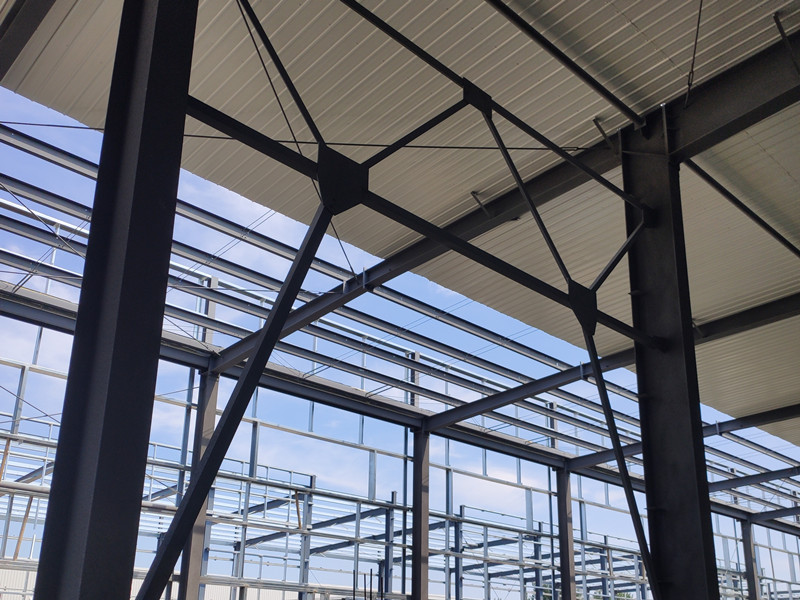
Green finishes boost both looks and green results in prefab buildings. XINGUANGZHENG picks color-coated aluminum-zinc panels. These have PVDF coatings that fight rust well. We also keep the recyclability over 80%. Rock wool insulation gives fire blocking along with soundproofing, for business spots like stores or showrooms.
Green tools like LED light setups paired with daylight panels cut down on power use in running the place. Good air flow can fix issues with heat loss, water build-up, and wetness control in builds. Adding turbine ventilators from XINGUANGZHENG ensures natural air movement without using power. This key trait fits green warehouse engineering fixes.
FAQ
Q: What are the main environmental benefits of prefabricated steel buildings?
A: XINGUANGZHENG reduces material waste through precision manufacturing, enable high recyclability rates up to 80%, lower on-site emissions during assembly, and improve operational energy efficiency via insulated panel systems.
Q: How does XINGUANGZHENG ensure quality in its prefabricated steel frames?
A: The company employs advanced intelligent equipment, including laser cutting machines and welding robots, under certified American (AISC) and European standards to guarantee precision across all components.
Q: Are prefabricated steel structures suitable for customized warehouse building engineering?
A: Yes. Each project is delivered as a customized one-stop construction solution covering design optimization, off-site fabrication, logistics coordination, installation guidance, and after-sales service worldwide.
Q: Can recycled steel maintain structural performance equal to new material?
A: Recycled steel retains identical mechanical properties as virgin metal because it undergoes controlled smelting processes that restore purity without compromising strength.
Q: What technologies support energy-efficient operations in modern steel buildings?
A: Advanced sandwich panels with rock wool cores provide superior thermal insulation; turbine ventilation systems enhance airflow naturally; BIM-based design optimizes orientation; together, these technologies achieve substantial energy savings over time.