1. Introduction: 2026 as a Turning Point for Warehouse Construction
The year 2026 marks an important change in the field of custom warehouse engineering. Global e-commerce and logistics grow quickly. This growth increases the need for efficient, large-scale storage facilities. Businesses must deliver projects more quickly. At the same time, material and labor costs rise. Prefabricated steel buildings serve as the main solution. These buildings offer speed, strength, and cost savings.
Qingdao Xinguangzheng Steel Structure Co., LTD started in 1997. The company specializes in steel structure production. XINGUANGZHENG combines research and development, design, production, installation, and after-sales service. The firm has more than 25 years of experience, and completed over 1,700 projects in more than 100 countries. XINGUANGZHENG leads in prefabricated steel structure systems. This experience makes prefabricated steel frames the base for next-generation warehouse construction in 2026.
2. Faster Construction = Faster ROI
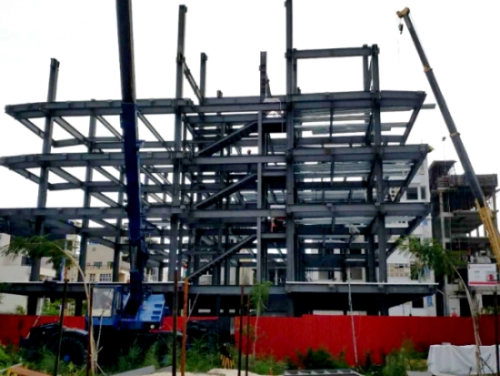
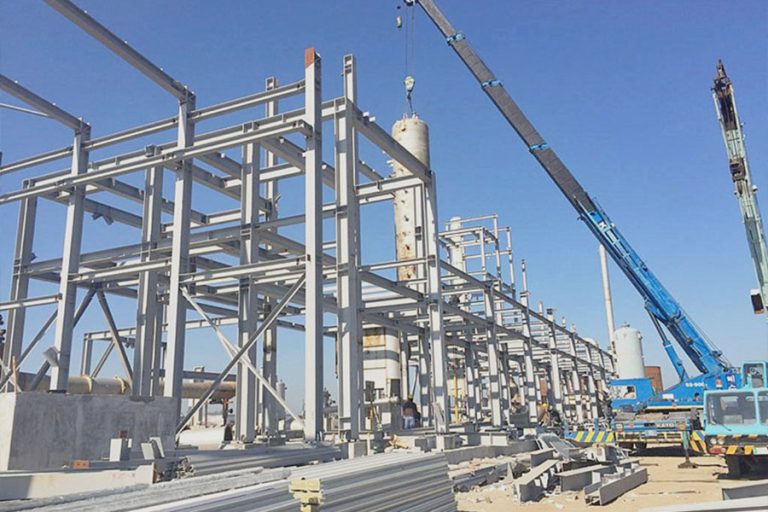
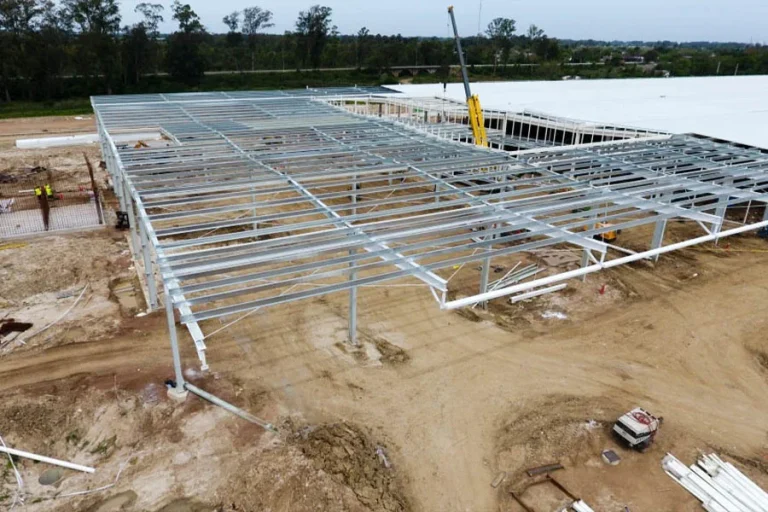
Speed stands as one key benefit of prefabricated steel buildings. Factory fabrication off-site pairs with quick assembly on-site. Off-site fabrication can shorten on-site work compared with workflows that rely more heavily on site construction, but the actual programme depends on design approvals, procurement, transport, foundations, labour and local conditions. Major structural components such as H-shaped columns, beams and purlins can be fabricated in controlled factory settings before transport for installation. Workers then transport these parts for installation.
Traditional brick-concrete buildings need time for the concrete to cure. Steel components are made in factories ahead of time. On-site work involves only assembly. This way reduces construction tasks a lot. It shortens project schedules. The approach also limits effects on nearby areas and cuts pollution chances.
For investors and developers who focus on ROI, an earlier start to operations brings revenue sooner. XINGUANGZHENG’s one-stop customized service covers design to installation. This service smooths out schedules. It avoids delays from coordinating multiple companies.
3. Cost Efficiency & Budget Control
Prefabricated steel structures provide steady pricing. Pre-engineered systems cut material waste and improve resource use. Steel structures cost less over time than traditional concrete warehouses. Maintenance stays low. Service life often goes beyond 100 years with proper protection.
XINGUANGZHENG’s engineering for warehouse building relies on modern production lines. These lines include laser plate cutting machines, automatic spraying lines, and welding robots. The tools ensure exact manufacturing. This precision lowers costs from fixing errors. XINGUANGZHENG holds steel structure certification qualifications. Production follows American standards, European standards, Russian standards, and national standards. This compliance keeps quality even across global projects. Costs remain under control.
4. Customization & Scalability in Modern Warehousing
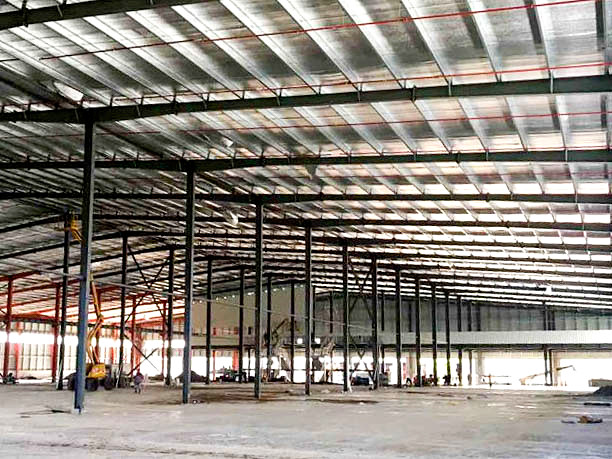
People often think prefabrication restricts customization. Modern prefabricated steel frames actually allow full flexibility in layout design. Clear-span interiors fit automated racking systems or robotic logistics equipment. No columns block the space. Modular expansion supports easy growth as business demands increase.
XINGUANGZHENG delivers fully customized solutions. The firm matches each client’s operational goals. We supply professional customized services for every customer and project. More than 100 senior technical experts form the design team. We offer BIM-based design support for logistics centers, cold storage facilities, or manufacturing plants. Each warehouse fits functional needs. The buildings stay ready for future changes.
5. Sustainability & 2026 Green Building Trends
Sustainability shapes warehouse construction trends in 2026. Steel can be recycled easily. Up to 80% reuses without performance loss. The prefabrication process creates less waste on-site than concrete construction. Steel structures reach 80% recyclability. This feature allows sustainable reuse.
XINGUANGZHENG’s green building materials include rock wool sandwich panels or polyurethane PIR cores. These materials boost energy efficiency and improve thermal insulation. Such features match ESG goals. These materials also help with certifications like LEED or BREEAM for sustainable warehouse construction. Our company’s “sustainable warehouse construction” method blends recyclable materials with low-disruption site work. This approach meets environmental rules. It satisfies investor needs.
6. Technology Driving the 2026 Shift
Digital transformation speeds up innovation in prefabricated engineering for warehouse building. In June 2025, the metal company’s production digitalization system started trial operation. The system links smart device IoT and BIM visualization. This link improves precision manufacturing. It uses data to control contract management, scheduling (MES), quality assurance, and logistics delivery.
Pre-Engineered Building (PEB) systems gain from intelligent equipment. Automatic welding of H-steel lines provides steady quality at a large scale. These smart manufacturing tools allow the delivery of complex custom warehouses more quickly. Quality assurance standards stay strict.
7. What This Means for Developers & Investors
For developers who seek an edge in logistics markets, prefabricated steel buildings form a strong asset plan. Quicker completion leads to faster leasing chances. Strong materials keep maintenance low. Flexible layouts make buildings useful across industries. These uses range from cold chain storage to e-commerce fulfillment centers.
XINGUANGZHENG holds global certifications. These include AISC (American Institute of Steel Construction) recognition. This certification shows our technical strength. It also points out XINGUANGZHENG’s main strengths in offering high-standard, high-quality steel structure solutions. This trust ensures every project follows international engineering standards.
FAQ Section
Q: Are prefabricated steel warehouses cheaper in 2026?
A: Yes. Prefabricated steel buildings cut material waste and labor costs with factory-controlled production processes. These buildings also provide a longer service life than traditional concrete warehouses.
Q: How long does it take to build a custom steel warehouse?
A: The time varies by size and complexity. Most projects finish in three to six months. This timeline proves to be up to 50% faster than conventional methods. Off-site fabrication brings this efficiency.
Q: Are prefab steel buildings durable in extreme climates?
A: Absolutely. High-strength materials like Q355B work with corrosion-resistant coatings. These features maintain structural stability during harsh weather conditions.
Q: Is a steel warehouse suitable for automated logistics systems?
A: Yes. Clear-span designs support conveyor belts, robotic arms, or AS/RS automation. Such designs avoid layout restrictions.
Q: Can I get a fully customized solution from XINGUANGZHENG?
A: Yes. The company offers tailored one-stop construction solutions. These solutions include design consultation, structural engineering, fabrication, delivery logistics, and installation guidance. XINGUANGZHENG aligns everything with specific operational needs for modern warehouse development.
Warehouse Project Information to Prepare Before Requesting a Quote
A useful steel warehouse proposal starts with a clear project brief. Prepare the project country and site, building use, length, width and clear height, applicable wind, snow and seismic requirements, and any crane, mezzanine, racking, door or loading-bay needs. Also identify the required wall and roof system, delivery destination, target schedule, and which work will be handled by your local contractor.
Review our industrial steel structure projects, understand our design and fabrication services, browse completed steel structure projects, or send your warehouse requirements for an initial review.