Overview of Steel Structure Buildings for Large-Scale Projects
1. Defining Steel Structure Buildings in Modern Construction
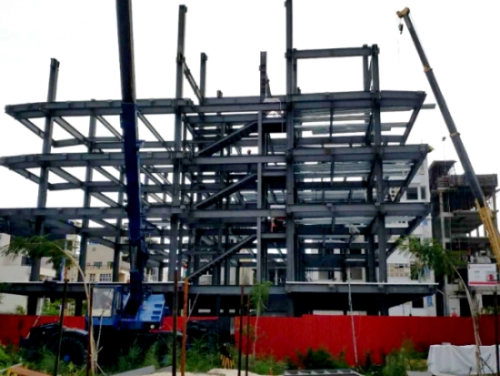
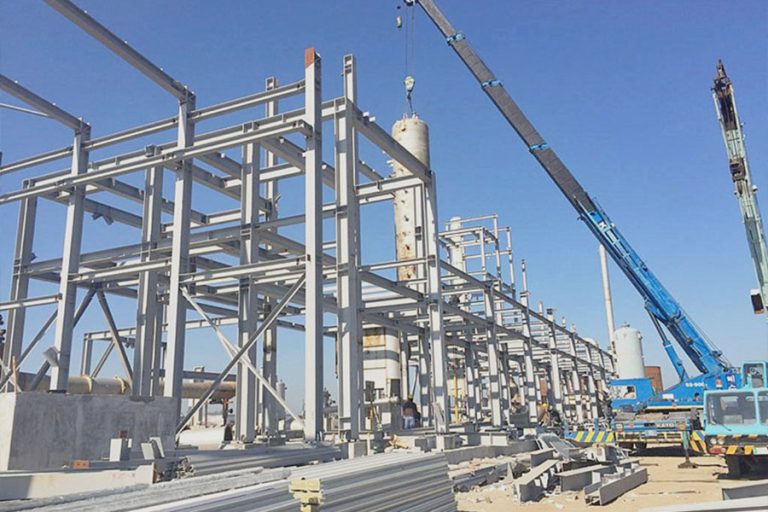
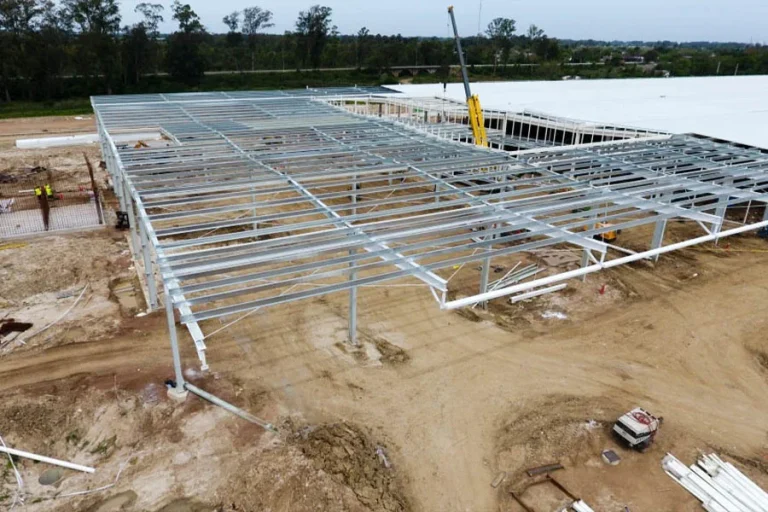
Steel structure buildings rely on pre-made steel frameworks for the primary load-bearing setup. Builders design these structures to deliver toughness, longevity, and quick performance. Steel structure buildings serve as the foundation for today’s infrastructure. Key parts cover steel columns, beams, purlins, crane beams, and roof/wall panels. All these elements combine to deliver solid resistance to loads and firm overall stability. The primary framework mainly features six elements. Those elements include steel column, steel beam, wind resistance column, roof/wall purlin, steel plate gutter, and crane beam.
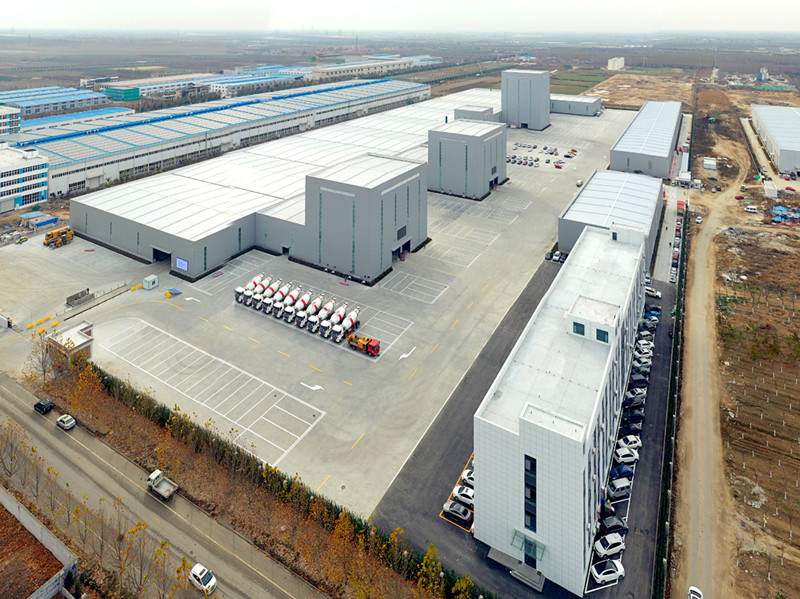
Steel structure buildings serve common purposes in industrial parks, warehouses, manufacturing plants, office buildings, commercial complexes, sports venues, and public infrastructure. XINGUANGZHENG has finished projects like a 100,000 square-meter garment factory in Ethiopia, along with the 11,574 sq meters airport in Uruguay. These projects relied on portal frame steel systems.
Steel structure buildings provide greater efficiency compared to conventional methods like reinforced concrete and timber framing. Brick-concrete structures require proper oversight of concrete curing time. Factories produce steel components in advance. Workers simply assemble these components on-site. This method greatly reduces on-site construction time. It further minimizes environmental impact.
2. Key Drivers for Choosing Steel in Large-Scale Projects
Speed of Construction
Prefabricated steel frames help speed up project timelines. Factories make components with precision off-site. On-site assembly happens with few delays. Steel structures can shorten construction duration by one-third compared to concrete structures. They also save formwork materials.
Design Flexibility and Scalability
Steel lets architects create long-span designs without internal support columns. It allows flexible layouts and simple changes. XINGUANGZHENG’s customized solutions help adapt to future needs. Projects can expand with modular additions or reconfigure spaces easily.
Structural Performance
Steel carries its share of strength while staying lighter than many alternatives. When earthquakes hit, its rigidity holds firm under swirling snow and gusty air. Though rare in residential form, such frames stand sturdier than older types made of timber or poured concrete.
3. Initial Investment vs. Long-Term Value
3.1 Upfront Costs of Steel Structure Construction
Initial investment in steel structure buildings covers raw materials like Q355B and Q235B steel. It also includes engineering customization for large-scale applications and skilled labor for fabrication and erection. Prefabrication reduces on-site labor needs, though.
3.2 Long-Term Ownership and Lifecycle Costs
Steel structures provide major savings over time with low maintenance. They have higher load-bearing capacity per unit volume. This provides greater stability and durability. Steel withstands corrosion, pests, fire, and harsh weather conditions. Therefore, these structures endure well past 20 years. The structural life can reach 100 years.
4. Operational Efficiency and Cost Optimization
4.1 Energy Efficiency Advantages
XINGUANGZHENG’s building envelope systems include high-performance insulation such as PU sandwich panels or rock wool cores. These panels let architects show their ideas clearly. They deliver good fire resistance, sound insulation, and thermal insulation. The airtight design cuts heating and cooling loads. It also supports solar panel installation and energy-efficient HVAC systems.
4.2 Maintenance and Repair Cost Savings
Steel’s inorganic makeup prevents issues such as twisting or decay. Modular designs simplify checks and fixes. XINGUANGZHENG’s galvanized coatings and surface treatments enhance strength even more.
5. Financial Benefits Beyond Construction Costs
5.1 Insurance and Risk Management Benefits
Fire-resistant materials result in lower insurance premiums. Steel structures handle disasters such as earthquakes or storms better than traditional buildings.
5.2 Resale Value and Depreciation
Steel structure buildings lose value more slowly due to their adaptability and long lifespan. Customized steel buildings from XINGUANGZHENG keep high resale value. These tailored or pre-made frame construction designs meet changing commercial standards.
6. Supporting Sustainable Development Goals Through Steel Construction
6.1 Environmental Impact Reduction
Up to 80% of steel structures can be recycled. This supports circular economy goals. Off-site prefabrication cuts construction waste as well.
6.2 Alignment with Green Building Standards
XINGUANGZHENG buildings match LEED and BREEAM standards. We use energy-efficient design and low-impact materials. This makes them eligible for green tax incentives.
7. Strategic Considerations for Large Enterprises and Developers
7.1 Customization for Industrial and Commercial Applications
Prefabricated steel frames provide custom one-stop construction solutions. These solutions fit warehouses that require clear-span interiors. They also suit manufacturing that demands heavy load-bearing. In addition, they match retail that includes modern architectural facades. XINGUANGZHENG delivers fully customized services from concept to after-sales support.
XINGUANGZHENG provides professional customized services for each customer and each project.
7.2 Regional Sourcing and Supply Chain Advantages
XINGUANGZHENG has six production plants and exports to over 100 countries. The company offers short lead times, and avoids import tariffs in many regions through localized sourcing strategies.
8. Enhancing ROI Through Pre-Engineered Steel Solutions
8.1 Streamlined Project Execution
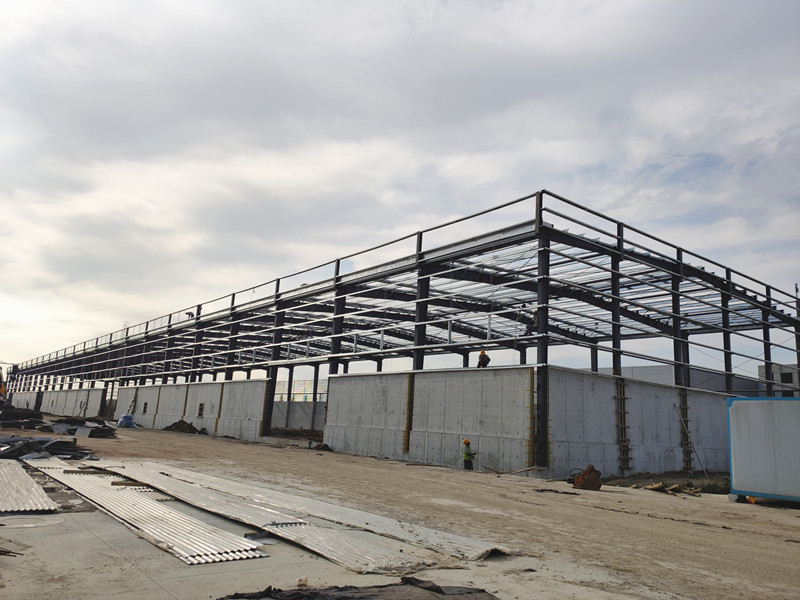
Standardized designs cut engineering time and speed up permit approvals. For example, the Tonghe Hanlan Phase V project finished in just 90 days.
8.2 Cost Efficiency in Engineering and Design
Predefined specifications lower costs. They reduce design errors and avoid rework during installation.
8.3 Scalability and Adaptive Reuse
XINGUANGZHENG’s modular systems allow future growth. They also enable the reuse of existing structures for different purposes.
There is no best solution, only the most suitable solution.
FAQ
Q: How long do prefabricated steel structure buildings last?
A: With proper maintenance, steel structure buildings can have a structural life of up to 100 years.
Q: Are steel structure buildings energy efficient?
A: Yes, when combined with high-performance insulation systems like PU sandwich panels or rock wool cores from XINGUANGZHENG, these buildings provide superior thermal performance.
Q: Can I customize my large-scale project using steel structures?
A: Absolutely. XINGUANGZHENG specializes in tailored one-stop construction solutions with fully customized design services for industrial, commercial, and public projects.
Q: What kind of maintenance is required for a steel structure building?
A: Maintenance is minimal due to the corrosion-resistant finishes and durable materials used by XINGUANGZHENG in fabrication.
Q: Is it more expensive to build with steel than concrete?
A: While initial material costs may be higher, the speed of construction, low maintenance, energy savings, and long-term durability make steel structures more cost-effective over the building’s lifecycle.
For professional customized prefabricated steel frame solutions that align with your business goals while maximizing ROI—contact XINGUANGZHENG today.