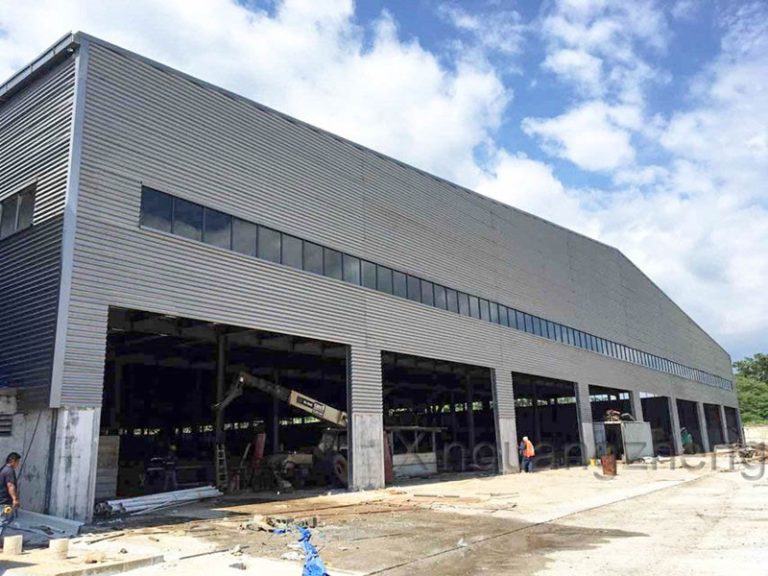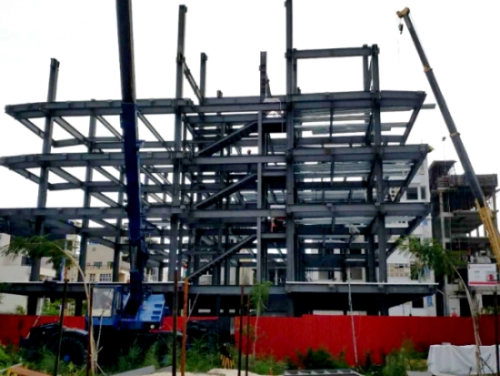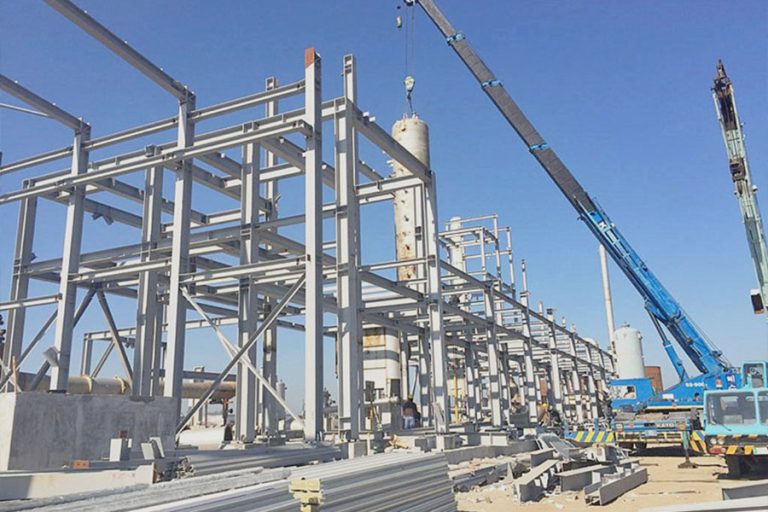
The term pre-engineered building shows up often in current construction talks. This happens because of its rising popularity in worldwide markets. The choice between a pre-engineered building (PEB) and a conventional steel structure ranks as one of the key decisions for industrial investors. Both options rely on steel as the main structural material. Yet, the design approach, fabrication method, and cost setup vary a lot.
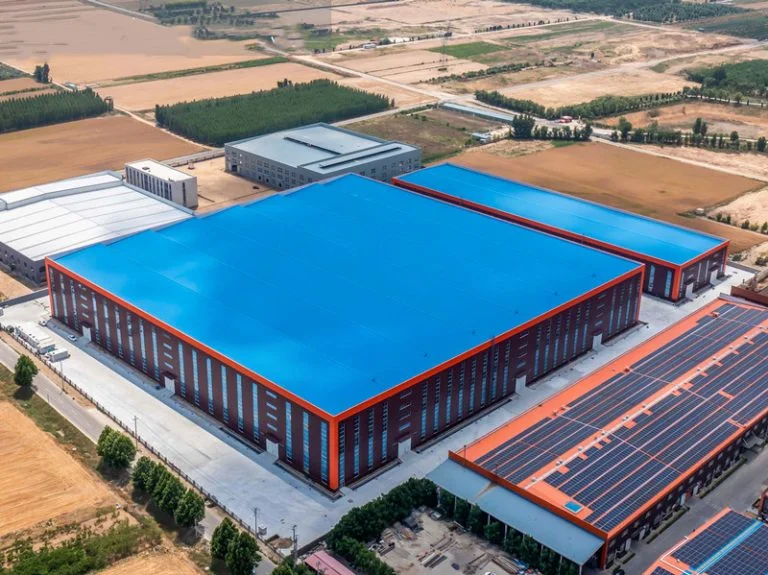
The Core Differences: PEB vs. Conventional Steel
Before checking project costs or design options, people need to understand how each system comes together and gets built.
What is a Pre-Engineered Building (PEB)?
A pre-engineered building means a factory-made steel structure. All parts—columns, rafters, purlins, and panels—are designed and made away from the site. Then, workers assemble these parts on location. The system uses modular ideas and standard connections. This method speeds up installation. It also boosts precision. Factories produce each part under steady conditions with exact digital tools.
The key parts consist of H-shaped steel columns and beams, roof/wall purlins from Z or C-section steel, wind-resistant columns, gutters, and crane beams. The main structure mainly includes six components, which are steel column, steel beam, wind resistance column, roof/wall purlin, steel plate gutter, crane beam.
The Nature of Conventional Steel Structures
Conventional steel buildings get fully customized for each project. Workers cut and weld structural members mostly on-site based on architectural plans. This way offers freedom. However, it leads to longer wait times and more reliance on labor. The approach fits projects that need special shapes or combined materials.
Structural Integrity and Engineering Logic
Both systems provide strong load-bearing power per unit volume. Residential units built with steel as the primary building material show better structural strength than old brick-and-timber or concrete structures.
Still, PEBs gain from computer-based improvements. These improvements cut extra material while keeping strength. On the other hand, conventional systems depend a great deal on hands-on engineering choices.
Key Comparison Factors for Industrial Decision Makers
When picking between these two systems, decision makers must look at clear factors. These factors cover time savings, cost results, options, and eco-friendliness.
Project Timeline and Construction Speed
Factory work gives PEBs a strong edge in build speed. Steel parts get made in factories ahead of time. On-site, teams just put the pieces together. This cuts the construction effort a lot. It also shortens overall project times.
Most PEB projects finish 30–40% quicker than conventional ones. The reason lies in less welding and fitting work at the site.
Total Investment Cost (CAPEX) and Long-term Value
Upfront design costs might look about the same at first. But PEBs bring down overall spending with fewer labor hours and less waste. The lighter build also lowers foundation costs by up to 20%. Over many years, maintenance costs have dropped. Factory-applied coatings fight off rust well.
Design Flexibility and Architectural Customization
Conventional structures permit endless shape ideas—perfect for stadiums or exhibition halls with odd curves. That said, current PEB systems handle mezzanine floors, canopies, crane beams, skylights, and even nice-looking fronts. Teams use sandwich panels or glass curtain walls for this.
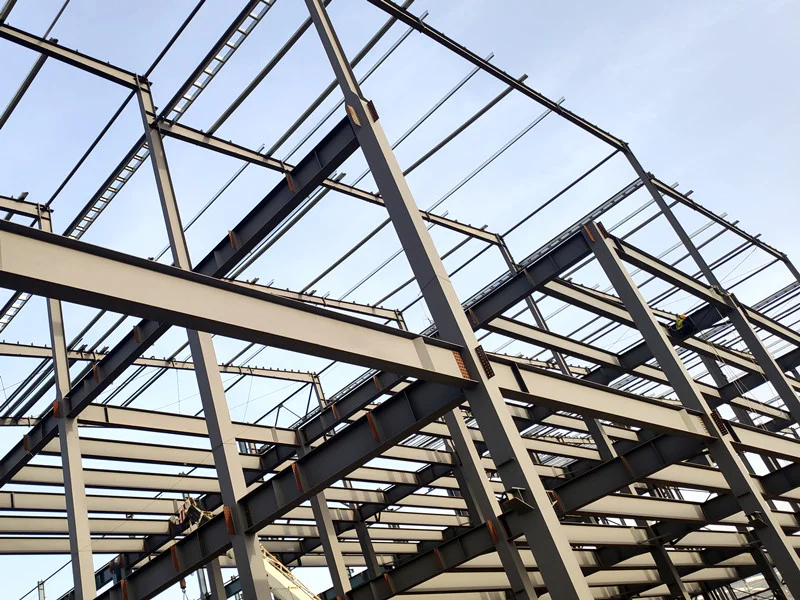
Structural Weight and Foundation Requirements
PEBs apply tapered sections. Software checks make these sections just right to lower the dead load without losing safety. Lighter frames call for smaller foundations. Conventional structures, by comparison, often stick with even sections. This raises material use.
| Factor | Pre-Engineered Building | Conventional Steel |
| Fabrication | Factory-based | On-site |
| Speed | 30–40% faster | Slower |
| Material Efficiency | High | Moderate |
| Design Flexibility | Moderate–High | Very High |
| Cost Predictability | High | Variable |
Why PEB is the Preferred Choice for Modern Global Projects
Industrial developers around the world lean toward pre-engineered building options more and more. The reason stems from ties to digital making tools and global rule systems.
Advanced Manufacturing with MES Digital Systems
In June 2025, XINGUANGZHENG digitalization system started trial runs. The system handles contract management, production planning and scheduling (MES), technical management, on-site execution (App reporting, quality management), safety management, logistics, and delivery.
This MES-guided process connects design models right to smart cutting machines and welding robots. It guarantees tracking from raw material to final assembly. At the same time, it boosts workflow across the whole production line.
Compliance with International Standards: AISC, EAC
Recently, XINGUANGZHENG passed the review and certification from experts at the American Institute of Steel Construction (AISC). This certification proves the capability to match tough U.S. rules for making precision and coating quality.
Additionally, we secured EAC certification for steel structure products. This verifies that products meet the main international technical specs. These approvals ease export steps in North America and Eurasia.
High-Performance Building Envelope Systems
A current pre-engineered building blends wall panels and roofing into one envelope system. This system delivers insulation, waterproofing, fire resistance, and good looks. The building envelope system includes three major systems: the building wall, the roof, and the floor. It can achieve functions such as thermal insulation, waterproofing, sound insulation, energy saving, and beauty.
Sandwich panel systems mix rock wool or polyurethane cores with coated steel surfaces. This setup gives top thermal results.
Sustainability and Material Efficiency in 2026
Steel allows recycling up to 80%. As a result, steel counts as one of the greenest construction materials today. Building with steel creates little harm to the environment.
PEB designs cut waste in making because digital nesting plans every cut plate wisely.
Practical Case Studies: Real-World Performance
XINGUANGZHENG has carried out more than 1,7000 projects on six continents. The projects span various fields like logistics parks, factories, hangars, malls, cold storage facilities, and more. These examples show how both systems adapt to client demands.
Large-Scale Logistics Warehouses in China
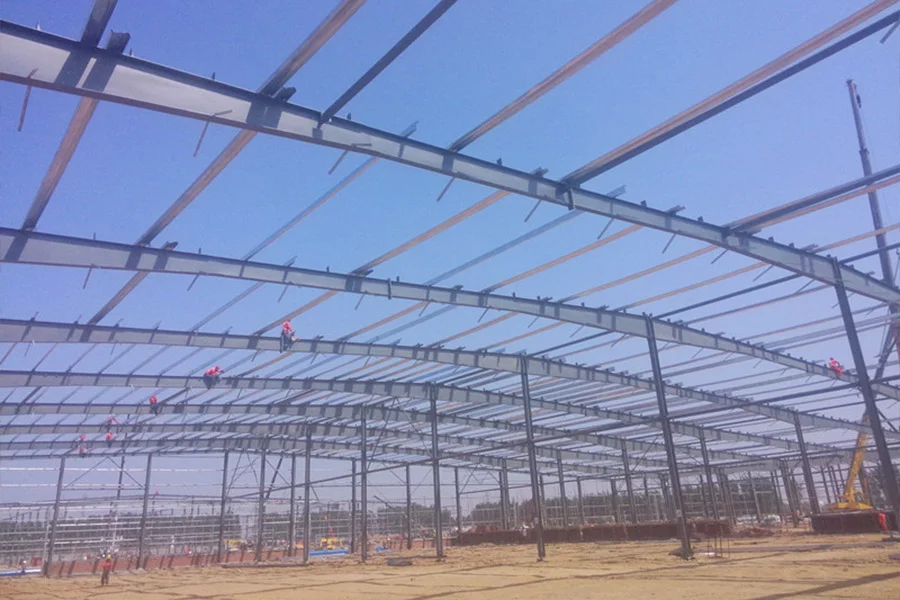
Hisense logistics park holds five warehouses. Among them, three measure 15,000 sqm each. One covers 45,000 sqm.
Teams finished these using portal-frame PEB designs. The designs allowed quick setup in short time frames. At the same time, the buildings hold up well under local wind forces.
Conclusion: Making the Right Choice for Your Enterprise
With over twenty-five years of experience since its founding in 1997, XINGUANGZHENG has exported about 1,7000 construction projects across more than 100 countries. Our full R&D–design–production–installation service model lets clients worldwide get custom solutions. These solutions meet AISC/EAC standards in one contract setup.
FAQ
Q: How does AISC certification impact the quality and import process of steel structures from China?
A: It ensures compliance with U.S. fabrication codes; shipments bearing AISC certificates pass customs more smoothly since they meet recognized international standards verified by independent audits.
Q: Can a pre-engineered building accommodate a 20-ton overhead crane for heavy manufacturing?
A: Yes; portal-frame configurations designed through finite-element software safely support cranes up to around 25 tons when paired with reinforced column bases.
Q: What are the specific advantages of using pre-engineered building for projects in high-wind or seismic-prone regions?
A: Optimized tapered members distribute stress evenly; bolted joints allow ductility under seismic motion; cladding systems achieve strong wind resistance verified through full-scale tests mentioned earlier.
Information Needed to Develop a Steel Building Proposal
To move from a general building idea to a comparable proposal, prepare the project location, intended use, overall dimensions, clear-height and clear-span requirements, equipment or crane loads, preferred roof and wall system, major openings, delivery destination and target schedule. Local wind, snow, seismic and corrosion conditions must be confirmed before the structural solution is finalized.
Review our steel structure services, explore international project examples, see industrial building applications, or submit your project brief for an initial review.