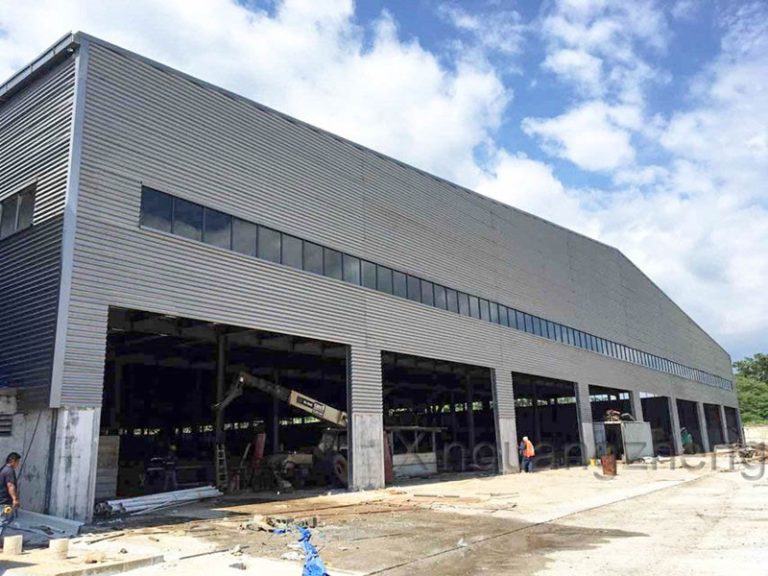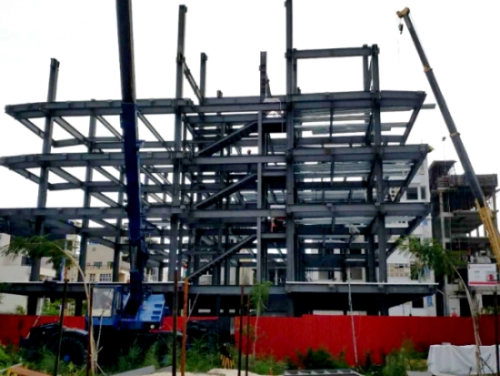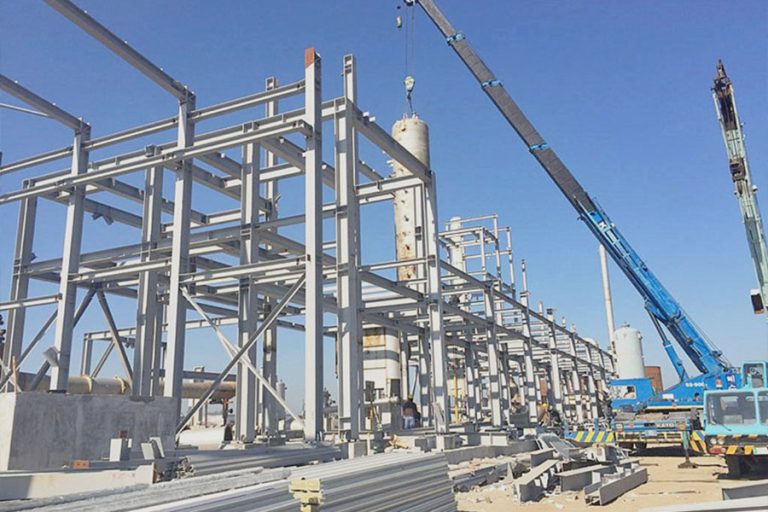
Introduction
In 2026, warehouse construction expenses remain a key issue. Steel prices stay firm but raised. HRC is near $1,000–$1,060 per ton. Supply lines have gotten better. Need for storage and e-commerce areas is robust. Constructors and managers frequently pick foreign choices to manage spending. They maintain standards in the process. Prominent producers from China, like XINGUANGZHENG, give 30–50% reductions compared to Western local builds. They do so via large setups and basic approaches. Everything includes worldwide approvals such as CE, ISO9001, and SGS.
Actual expenses for 2026 vary greatly. They hinge on project scale, site, and features. Rates go from $25–$55 per sq ft for ready-made components or sets. This involves the frame and external covers. For complete builds in places like the US or EU, figures reach $60–$150+ per sq ft. These cover onsite labor, groundwork, and end details.
Founded in 1997 as Qingdao Xinguangzheng Steel Structure Co., Ltd., the company brings over 25 years of expertise in integrated steel structure solutions—from R&D and design to production, installation guidance, and after-sales support—with projects delivered to more than 100 countries across six continents.
Current Steel Structure Warehouse Cost Ranges in 2026
Expenses for ready-made steel warehouses in 2026 depend on layout style, dimensions, and origin spot. Primary groups are:
- Basic kit/package (materials only, export FOB): $25–$65 per m² (~$2.3–$6 per sq ft).
- Shell only (primary/secondary framing + cladding): $25–$55 per sq ft.
- Full turnkey (including local foundation, erection, and finishes): $60–$150+ per sq ft in Western markets (lower effective cost when using Chinese export kits).
Examples:
- A 10,000 sq ft warehouse kit may range from $250,000–$550,000 (depending on specs and insulation).
- Larger projects (50,000+ sq ft) often see per-square-foot costs drop to $20–$40 due to economies of scale in fabrication, shipping, and erection.
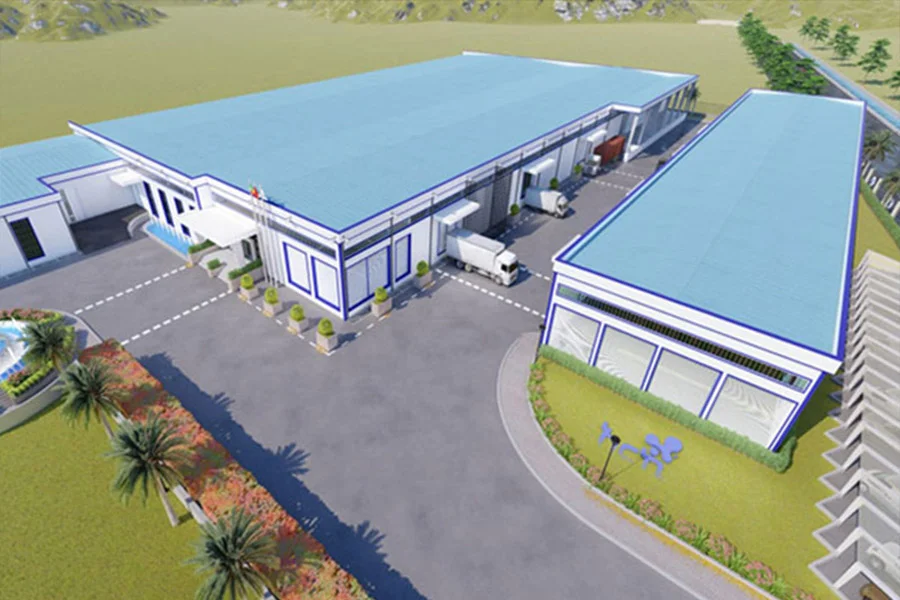
Producers like XINGUANGZHENG employ modular ready-made systems and broad manufacturing. They operate 6 factories and 7 lines. Such arrangements offer consistent rates for factory warehouses and distribution centers globally.
Key Price Factors Influencing Steel Warehouse Cost
Various elements affect the total steel warehouse expense:
- Size & Clear Span:Larger structures typically lower per-unit fees. However, they demand sturdier supports for broad gaps.
- Design Loads:Revised rules like ASCE 7 22 boost steel mass in areas with strong winds or earthquakes.
- Cladding & Insulation:Basic panels cost the least. Insulated types add about $6–$10/m². Yet they boost power savings over time.
- Crane Systems & Mezzanines:These increase material bulk and setup difficulty.
- Location & Shipping:Transport from China brings container fees. But it stays affordable against local making. Duties may alter end rates.
- Steel Market Volatility:Rates settled by 2026. Still, they react to world trade rules.
- Customization:Items like doors, roof lights, air systems, or style touches change material and work shares in the plan.
Leading shippers like XINGUANGZHENG adjust their output to main international guidelines. These cover CE, ISO9001, and more. This allows good matches to area demands. For instance, they manage ASCE 7-22 for weights. And they hold down export fees.
Budgeting Breakdown: What to Expect
A practical planning guide splits the full warehouse fee into these parts:
| Cost Component | Percentage Range | Notes |
| Materials (steel frame + cladding) | 40–60% | Includes primary/secondary framing |
| Foundation & Site Prep | 15–25% | Depends on soil conditions |
| Labor/Erection | 15–30% | Varies by region |
| Shipping & Customs (for exports) | 10–20% | Containerized transport + duties |
Example: Take a medium export set at around $400,000. Shares could be about 50% ($200k) for materials like steel frame and cladding. Then 20% for base and site setup. Another 20% for local building. And 10% for transport and duties.
Cost-Saving Solutions from Chinese Manufacturers
Producers in China, such as XINGUANGZHENG, gain reductions by:
- Big operations with machine-run lines.
- Improved layouts (for example, slim beams that cut 10–20% steel).
- Turnkey Packages:Combined planning, making, and setup help cuts wait times in planning.
- Prefab Advantages:Plant assembly reduces field time a lot.
- Sustainable Options:Power-saving covers and reusable items fit with green aims.
- Bulk Export Pricing:Steady supply deals keep rates even during market changes.
Continued tech updates improve method consistency, machine use, and supply trust for orders worldwide. Approvals like CE and ISO9001 also back quality checks at fair rates.
Hidden Costs to Avoid
Seasoned builders at times overlook extra fees:
- Ignoring weight needs or license costs may slow clearances.
- Weak ground readying could cause base changes during work.
- Transport waits or missing import papers might halt setup plans.
Teaming with approved shippers who supply complete records aids in cutting these issues soon.
How to Get Accurate Pricing in 2026
To secure exact estimates:
- Give full details—sizes, weights, cover kind, site weather.
- Seek several offers from trusted shippers like XINGUANGZHENG.
- Check what’s included with care (base tasks vs just the set).
- Inquire on wait periods based on present transport plans.
Xinguangzheng provides professional customized services for each customer and each project. Their engineering team refines designs until clients approve every detail—a crucial step before finalizing any international order.
Conclusion
In 2026, steel warehouses continue to provide a useful, sturdy, and adaptable option for global storage expansion. Resource supplies are stable. Ready-made techniques are advanced. Working with capable Chinese companies offers solid benefits. It blends affordable rates, standard seals, and reliable shipping skills. If you are planning a new facility, welcome to get in touch with XINGUANGZHENG team for a detailed quotation.
FAQs
Q1: What is the average steel structure warehouse cost per square foot in 2026?
A: $25–$55 per sq ft for kits/shell, up to $150+ turnkey in Western markets; Chinese exports often at lower end.
Q2: Why are Chinese steel warehouses cheaper for overseas projects?
A: Large-scale automated plants reduce labor intensity; bulk raw material purchasing lowers input costs; plus favorable exchange rates make exports more affordable without reducing quality.
Q3: How much does insulation add to warehouse costs?
A: Adding sandwich panels or other insulated systems generally increases total price by about $6–$10/m² but improves thermal performance significantly over time.
Q4: What factors increase steel warehouse prices the most?
A: Heavy snow/wind loads requiring thicker frames, integrated cranes or mezzanines, complex architectural finishes, or remote site logistics tend to drive up overall project budgets.
Q5: Can I expand a steel warehouse later without high costs?
A: Yes—modular framing allows future extensions at relatively low incremental cost compared with rebuilding concrete structures; it’s one reason prefab systems remain popular for scalable operations worldwide.