Steel contractor vs supplier: start with contract scope
A steel contractor and steel structure suppliers may support the same project, but their responsibilities are not defined by the job title alone. The contract, drawings, delivery terms and responsibility schedule determine who handles design coordination, fabrication, transport, foundations, erection, permits and site management.
For overseas projects, local contractors, engineering companies and distributors should compare the actual scope offered by each party rather than assume that every contractor provides turnkey delivery or every supplier provides materials only.
What does a steel contractor usually coordinate?
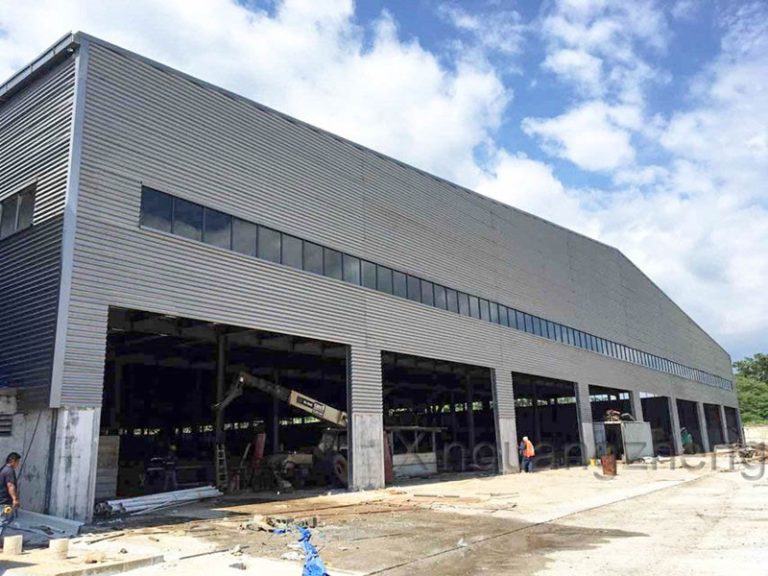
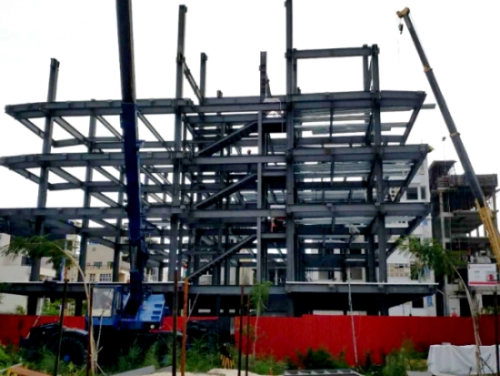
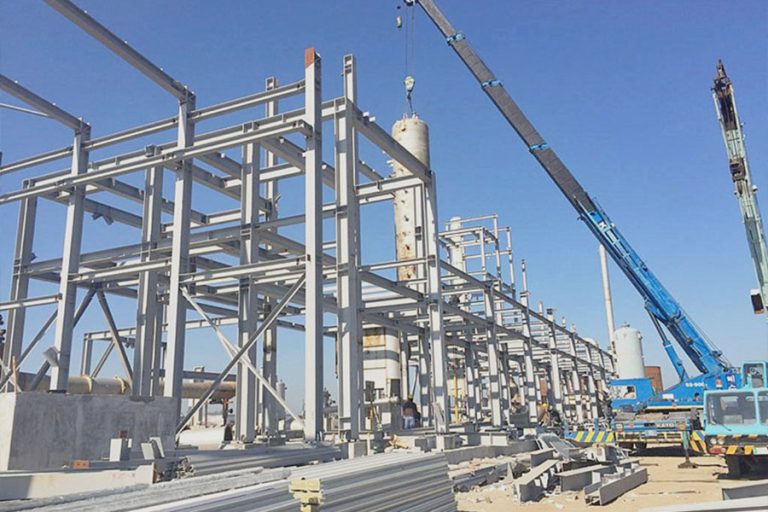
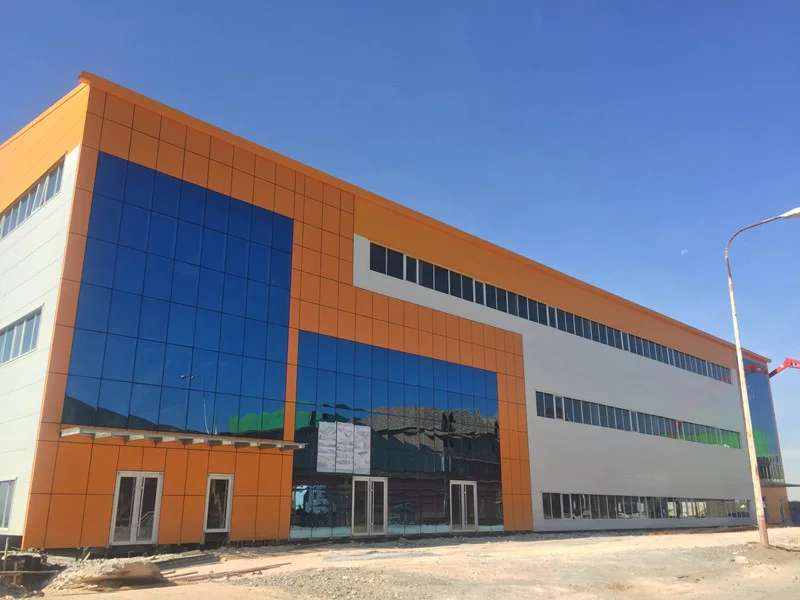
A contractor commonly coordinates work performed at the project site. Depending on the contract, this may include site preparation, foundations, erection labour, lifting equipment, temporary works, safety management, local subcontractors, scheduling and inspections. Some contractors also procure the fabricated steel package; others work with a manufacturer selected by the owner or engineering team.
Do not treat “contractor” as an automatic promise of full EPC responsibility. Confirm the geographic scope, licenses, professional responsibilities, exclusions and subcontracted work for the specific project.
What does a steel structure supplier usually provide?
A supplier commonly coordinates engineering inputs for the agreed package, fabrication, quality documentation, packing and delivery under a defined trade term. The package may include primary and secondary steel, connections, roof and wall systems and selected accessories.
Foundations, local approvals, customs, destination transport, unloading, erection and building services may remain with other parties unless specifically included. The service page should be checked together with the project quotation because general website descriptions do not replace contractual scope.
Responsibility comparison
| Project item | Supplier role to confirm | Local contractor role to confirm |
| Design basis | Use agreed inputs for the supplied package | Provide local requirements and coordinate approvals |
| Fabrication | Manufacture documented steel components | Review delivery and site interfaces |
| Foundations | Provide reactions or interface information if agreed | Coordinate geotechnical work, local design and construction |
| Transport | Pack and deliver to the agreed Incoterm | Coordinate destination handling and inland access as assigned |
| Erection | Supply drawings or support included in the quotation | Provide labour, equipment, temporary stability and site control as assigned |
| Compliance | Supply agreed material and fabrication records | Coordinate local permits, review and inspections |
The final allocation may differ. Record it in a responsibility matrix instead of relying on assumptions.
When a local contractor plus overseas supplier can work well
This model can suit a project when a qualified local team understands site conditions, approvals, labour and equipment, while the overseas supplier provides the agreed fabricated package. It requires controlled drawings, clear interfaces and timely information exchange.
Information to exchange before ordering
- Project location, use, dimensions and drawing revision
- Applicable design basis and available site data
- Material, coating, roof and wall specifications
- Crane, mezzanine, equipment and opening requirements
- Foundation, anchor and structural interface responsibilities
- Fabrication documents and approval workflow
- Packing, Incoterm, port and destination handling
- Erection drawings, lifting plan responsibilities and site support
- Inspection, documentation and handover requirements
For warehouse projects, use the custom warehouse enquiry checklist to prepare these inputs.
How distributors and engineering companies fit into the project
A distributor may support customer communication, commercial coordination and local supply arrangements. An engineering company may define the design basis, review interfaces and support approvals. Neither role should be assumed to include fabrication or erection unless the contract says so.
Before quotation, identify the decision maker, drawing reviewer, importer of record, local engineer, erection contractor and final customer. This prevents duplicated or missing responsibilities.
How to compare proposals
- Compare the same building dimensions, loads and specification.
- Separate steel supply value from local construction costs.
- Check inclusions, exclusions, assumptions and document lists.
- Confirm delivery terms, currency, validity and schedule basis.
- Review the handover between foundations, anchors, frame and envelope.
- Confirm how design changes and site questions will be managed.
The warehouse cost guide explains why unlike scopes should not be compared as if they were the same price.
Discuss the required supply boundary
Qingdao Xinguangzheng Steel Structure Co., LTD supplies steel structure solutions for industrial and commercial projects. The exact design coordination, fabrication, delivery and support scope must be confirmed in each quotation and contract. Review the project portfolio for existing applications.
Contact the Xinguangzheng team with the project brief and identify which responsibilities are already covered by the local contractor, engineering company or distributor.
Frequently asked questions
Is a steel contractor always responsible for the whole project?
No. Responsibility depends on the signed contract and local requirements. A contractor may cover selected site work or a broader package, so every inclusion and exclusion should be recorded.
Does a steel supplier provide installation?
Sometimes installation support is offered, but it is not automatic. Confirm whether the scope includes drawings, remote guidance, supervision, labour, lifting equipment or full erection.
Who handles local permits and compliance?
The responsible local party should be identified before ordering. The supplier can provide agreed technical documents, but local professional review and permits depend on the project jurisdiction and contract.
What is the best way to avoid scope gaps?
Use one responsibility matrix covering design, fabrication, foundations, transport, customs, erection, safety, inspections and handover. Attach the agreed matrix to the quotation or contract.
Information Needed to Develop a Steel Building Proposal
To move from a general building idea to a comparable proposal, prepare the project location, intended use, overall dimensions, clear-height and clear-span requirements, equipment or crane loads, preferred roof and wall system, major openings, delivery destination and target schedule. Local wind, snow, seismic and corrosion conditions must be confirmed before the structural solution is finalized.
Review our steel structure services, explore international project examples, see industrial building applications, or submit your project brief for an initial review.