Why a Prefabricated Steel Structure is the Standard for Global Projects
Overcoming Traditional Construction Delays
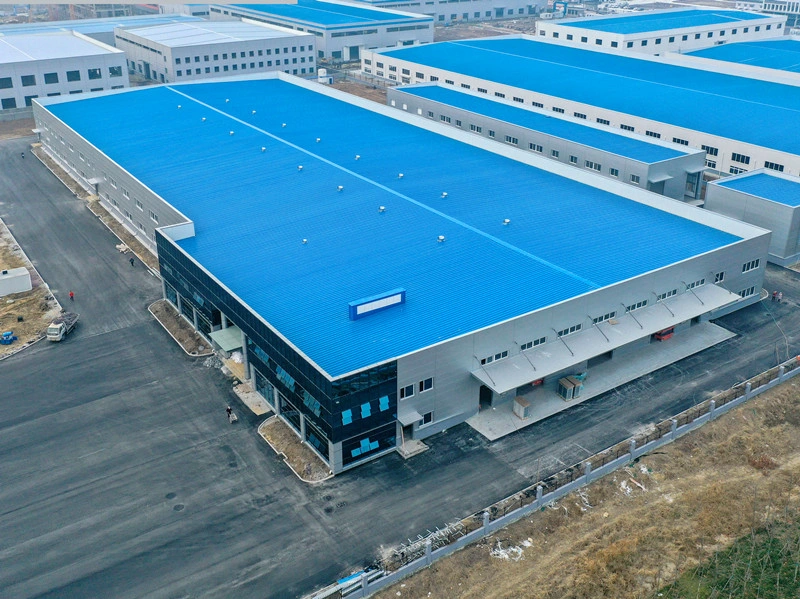
The global construction industry continues to move steadily toward greater efficiency. Prefabricated steel structures have become the top choice for overseas contractors. In heavy industry and commercial development, time links directly to capital costs. Traditional brick-concrete buildings need careful attention to concrete curing periods. These periods often expose projects to weather delays and site logistics problems.
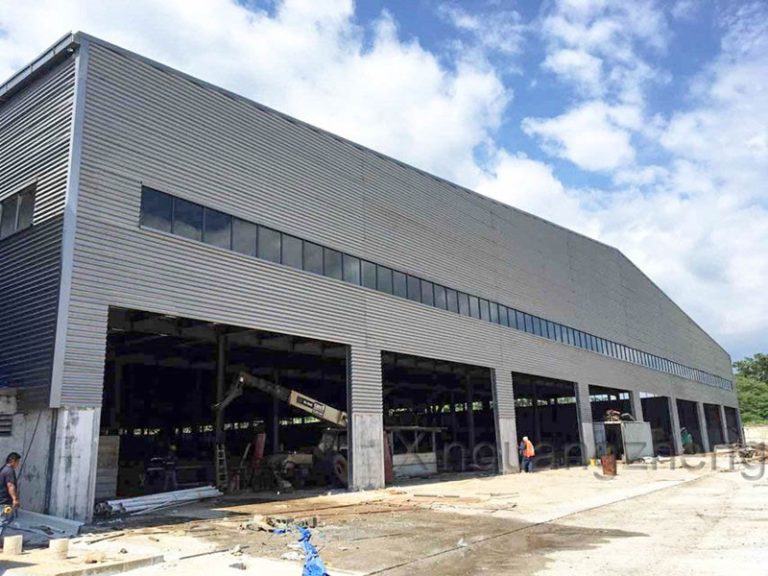
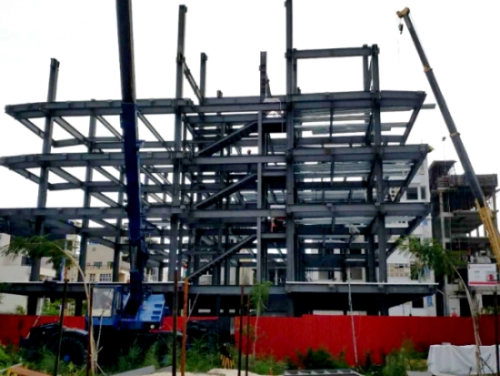
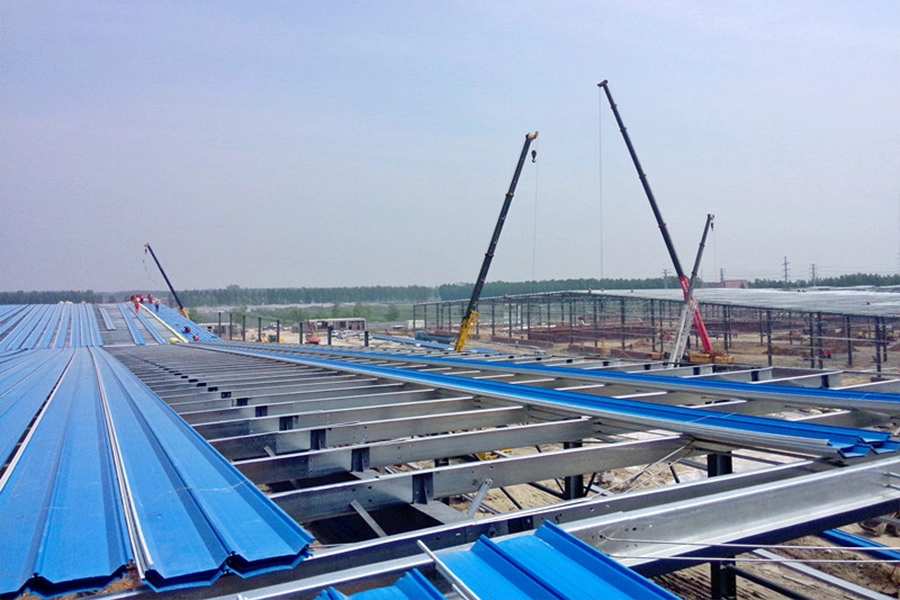
Custom steel frame construction follows a completely different process. All primary and secondary components come prefabricated from factories. Workers then simply assemble those components on site. This parallel approach allows site preparation and foundation work to proceed at the same time as off-site frame production. The method greatly reduces overall construction workload. It also shortens project timelines. In addition, the approach limits environmental impact on nearby communities and decreases pollution risks. Statistics indicate that for buildings with the same floor area, structural steel configurations can reduce construction duration by one-third compared with concrete structures. These configurations also save formwork materials. In many cases, the assembly of a pre-engineered metal building moves twice as fast as the deployment of traditional concrete structures.
Superior Strength-to-Weight Ratio for Heavy Industry
Beyond speed, engineering contractors focus on structural integrity and safety. Facilities built mainly with steel show better structural integrity than traditional brick-and-timber or concrete buildings. These facilities provide higher load-bearing capacity for each unit of volume and deliver greater stability along with long service life. Such features make industrial steel structure fabrication a strong choice for dynamic load settings such as factories equipped with overhead cranes or wide-span warehouses. In addition, steel possesses good ductility that spreads out energy effectively in earthquakes and therefore supports solid earthquake resistance, together with high structural safety that protects people in homes. These buildings also offer strong seismic resistance, wind resistance, waterproofing, and fireproofing performance. When engineers combine them with other modern materials, the structures gain excellent thermal insulation and soundproofing abilities.
Core Engineering Behind a Prefabricated Steel Frame
Precision Manufacturing of Primary and Secondary Frames
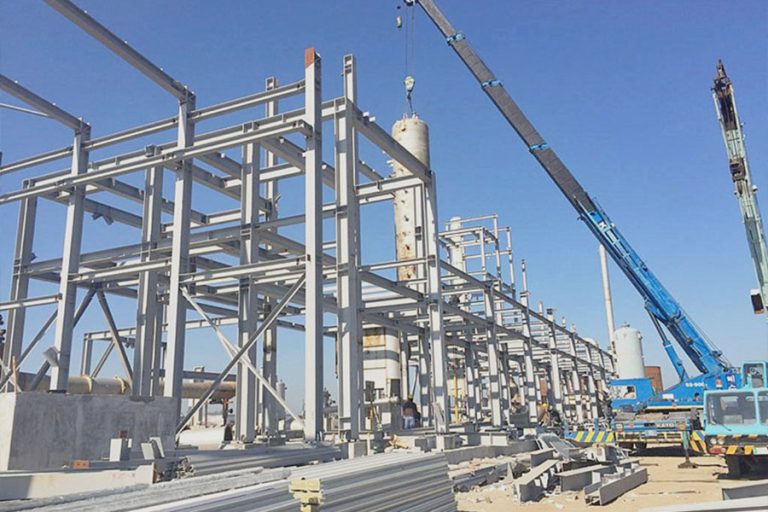
The structural reliability of a heavy steel structure manufacturer depends on the precision of its engineered components. The main structure is typically composed of six essential components, which are the steel column, steel beam, wind resistance column, roof and wall purlins, steel plate gutter, and crane beam. The primary load-bearing system utilizes high-strength H-shaped steel for columns and beams. To ensure maximum stability, the secondary components play an equally critical role. The secondary components are mainly composed of horizontal support, column support, tie bars, tie rods, roof and wall panels, and bay support. For example, Z-section steel or C-section steel is used for purlins to transfer the load to the primary beams and columns. Tie rods made of round tubes are used to improve the overall stiffness of the structure, ensure geometric stability of the structure, and maintain the lateral stability of the compressed member.
Streamlining On-Site Assembly and Bolting Processes
Because the precision of the manufacturing process is incredibly high, the on-site work transitions from complex fabrication to straightforward bolting and assembly. Modern steel structure production utilizes advanced intelligent equipment such as laser plate cutting machines, intelligent profile cutting machines, intelligent profile marking machines, and welding robots. This technological integration ensures that every single beam and column fits perfectly when it arrives at the project site. The seamless fit prevents costly on-site modifications or welding rework. Furthermore, contractors can easily integrate specialized building envelope systems. For instance, purlin-free wall systems utilize high-end structural rock wool sandwich panels that connect directly to structural columns, meaning purlins and lining plates are not required to reduce resource consumption. Although the structural rock wool sandwich panels are generally thicker than the ordinary sandwich panels with a purlin system, the whole wall is thinner, and the utilization rate of the same building area is higher.
Cost-Efficiency and Long-Term Value for Contractors
Reducing On-Site Labor and Material Waste
Budget overruns often plague traditional construction, but a prefabricated steel building offers contractors strict cost predictability. By shifting the bulk of the structural work to an automated factory, contractors dramatically reduce their reliance on expensive on-site manual labor. The streamlined assembly process minimizes the environmental footprint and lowers community disruptions. Below is a brief comparison highlighting the economic advantages over traditional methods:
- Material Utilization: Prefabricated systems use exact computer-aided design measurements, virtually eliminating scrap waste, whereas concrete construction generates significant formwork and excess material waste.
- Labor Requirements: Assembling a prefabricated steel structure requires a small, specialized crew operating cranes and bolting components, rather than large teams of masons and concrete workers.
- Envelope Integration: Advanced single-board roof systems feature super-strong wind resistance and a maximum lock seam angle of 540 degrees, which improves water tightness and air tightness. The hidden sliding bracket realizes the release of thermal stress, ensuring long-term integrity without constant repairs.
Lifecycle Durability and Low Maintenance Costs
The true value of a commercial prefabricated steel frame becomes apparent when evaluating its entire lifecycle. The structural life of these engineered systems can reach 100 years. All residential buildings have a limited lifespan, and traditional brick-and-concrete structures cannot be recycled after demolition, as their materials become waste that pollutes the environment. In contrast, steel structures can achieve 80 percent recyclability, enabling sustainable reuse. Furthermore, a well-designed steel structure can reach 50 percent energy-saving standards when combined with high-quality insulation panels. XINGUANGZHENG provides sandwich composite boards that select high-quality raw materials, combined with mature plate type and scientific installation node design, to create a multi-functional composite board that meets personalized requirements of fire protection, insulation, waterproofing, weather resistance, compressive strength, sound absorption, and sound insulation. For extreme environments, the TR65 Rigid Edge Roof System utilizes aluminum-manganese-silicon alloy sheets. This composite material combines aluminum, magnesium, and manganese in a balanced composition to offer excellent durability and an over 50-year service life.
Delivering Global Solutions: The XINGUANGZHENG Advantage
Integrated Design, Production, and Export Capabilities
For overseas contractors seeking a reliable partner, XINGUANGZHENG stands out as a professional steel structure whole house system supplier. Established in 1997, the enterprise integrates research and development, design, production, installation, and after-sales service. With 6 production plants, 7 steel structure production lines, and over 1000 employees, the manufacturing capacity is robust and highly scalable. Quality and international compliance are guaranteed, as the company possesses steel structure certification qualifications in accordance with American standards, European standards, Russian standards, and national standards. Recently, XINGUANGZHENG successfully passed the audit and certification of experts from the American Institute of Steel Construction with an excellent result of zero non-conformity. Additionally, we hold the EAC certification for steel structure products, serving as a quality passport recognized by member countries such as Russia, Kazakhstan, and Belarus.
Proven Success in International Projects
From 2012 to 2026, we have exported about 1,7000 construction and product processing projects to more than 100 countries across 6 continents. We provide a comprehensive one-stop service, where our design team will disassemble and refine the design, arrange production, plan delivery, and assist in installation. Here are a few global case studies showcasing our projects:
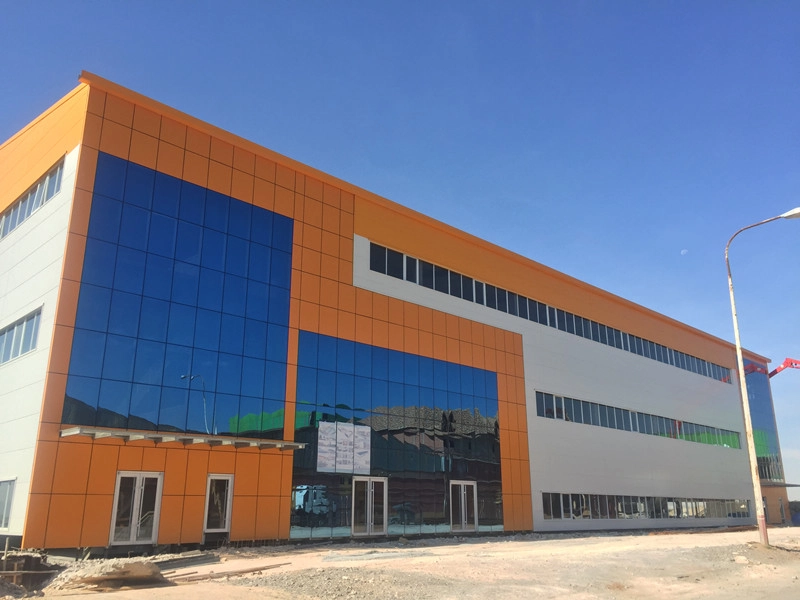
- Television Factory in Algeria: This three-storey frame structure features a total area of 20160 square meters, utilizing a main frame with box columns and a total steel structure amount of 1500 tons.
- Commercial Airport in Uruguay: A massive development covering a total area of 11574 square meters across 7 buildings, utilizing highly durable portal frames for the main structural support.
Frequently Asked Questions (FAQ)
Q: How much faster is the assembly of a prefabricated steel structure compared to traditional methods?
A: A prefabricated steel structure can reduce construction time significantly. Because all primary and secondary components are pre-cut, welded, and pre-drilled in our manufacturing facility, on-site work transitions from complex fabrication to straightforward assembly. Statistics show that for buildings of equivalent floor area, steel structures can cut construction duration by one-third compared to concrete structures while saving formwork materials. In many instances, the assembly is twice as fast as deploying traditional concrete structures. This predictability allows contractors to strictly manage timelines and reduce expensive on-site labor hours.
Q: Can a prefab steel building be customized to support heavy industrial equipment?
A: Yes. A prefab steel building is highly adaptable and can be engineered to support heavy dynamic loads, such as overhead bridge cranes and heavy manufacturing machinery. The main structure is typically composed of robust elements, including high-strength H-shaped steel columns and crane beams, specifically designed as a load-bearing system. During the design phase, our engineering team calculates the specific load requirements to ensure the framing system delivers the necessary structural integrity without unnecessary material waste.
Q: What is the expected lifespan of a commercial prefabricated steel frame?
A: A commercial prefabricated steel frame is designed for exceptional long-term durability, with a structural life that can reach 100 years. The steel components exhibit higher load-bearing capacity per unit volume and offer superior stability against harsh conditions. They demonstrate superior seismic resistance, wind resistance, waterproofing, and fireproofing properties. Furthermore, up to 80 percent of the steel structure can be recycled at the end of its lifecycle, promoting sustainable urban planning.
Q: How do you ensure quality control for a prefabricated steel structure shipped overseas?
A: Quality control begins at the raw material stage and continues through off-site manufacturing. Our company has steel structure certification qualifications and production systems in accordance with American standards, European standards, Russian standards, and national standards. We utilize advanced intelligent equipment, including laser plate cutting machines, intelligent profile cutting machines, and welding robots, to ensure precise manufacturing. Every beam and column undergoes stringent factory inspections, ensuring that global contractors receive precise, ready-to-assemble parts that fit perfectly on site.
Q: What information does manufacturer need to provide an accurate quote for a prefab steel building?
A: To provide an accurate proposal for your prefab steel building, our team needs the fundamental project parameters: the building dimensions, local environmental loads, and intended usage. You just need to tell us your idea, and our team of over 100 senior technical talents will provide a preliminary solution, and gradually improve the solution until you are satisfied. Details regarding structural additions like crane tonnage or specific insulation requirements will also help us deliver a highly customized and cost-effective solution.
Information Needed to Develop a Steel Building Proposal
To move from a general building idea to a comparable proposal, prepare the project location, intended use, overall dimensions, clear-height and clear-span requirements, equipment or crane loads, preferred roof and wall system, major openings, delivery destination and target schedule. Local wind, snow, seismic and corrosion conditions must be confirmed before the structural solution is finalized.
Review our steel structure services, explore international project examples, see industrial building applications, or submit your project brief for an initial review.