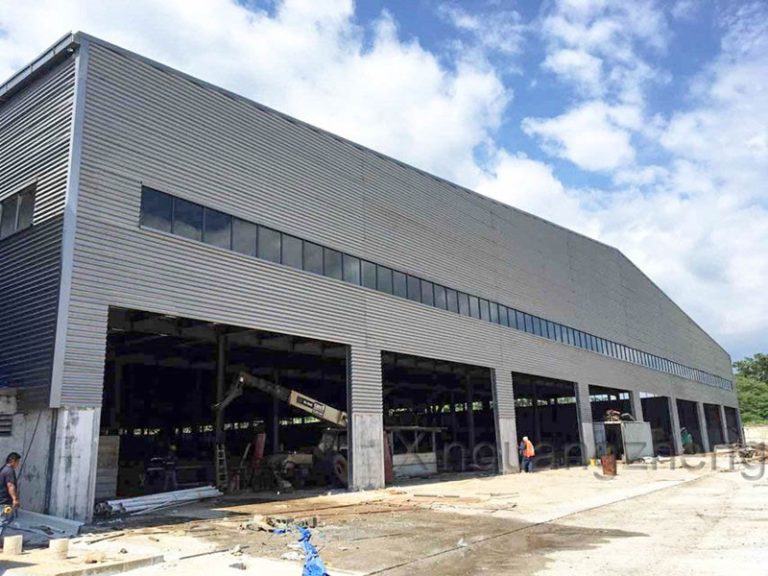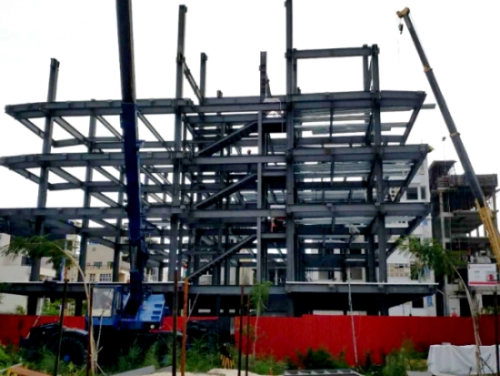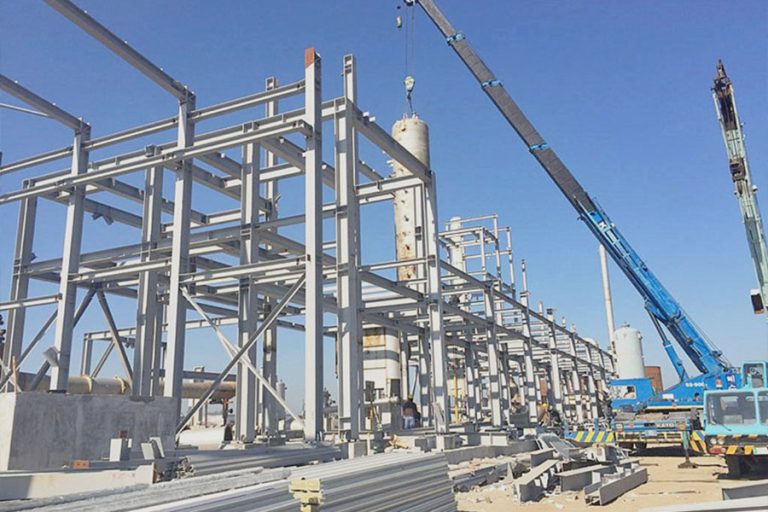
What is a steel structure warehouse?
A steel structure warehouse is a building whose primary load-bearing system is made mainly from structural steel. The frame, secondary members, roof and wall systems, connections and foundations work together as one engineered system. Its configuration depends on the site, stored goods, operating layout, required clearances and applicable design requirements.
For contractors, engineering companies and project owners, the important question is whether the proposed structure, envelope and supply scope match the actual project. Dimensions, loads, openings, equipment and local responsibilities should be defined before quotations are compared.
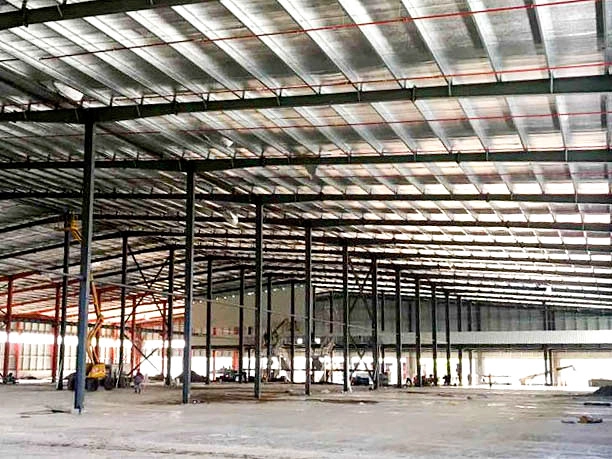
Main components of a steel structure warehouse
Primary steel frame
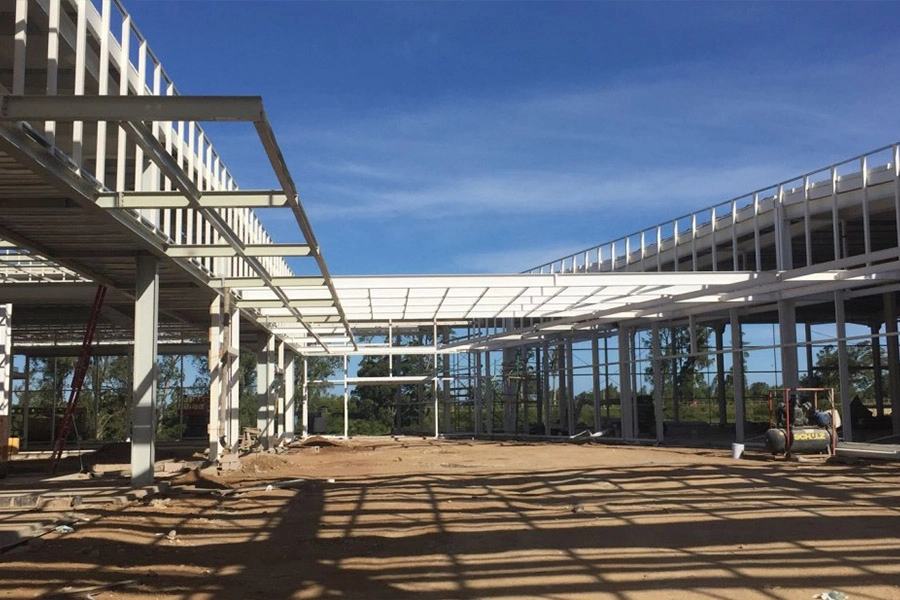
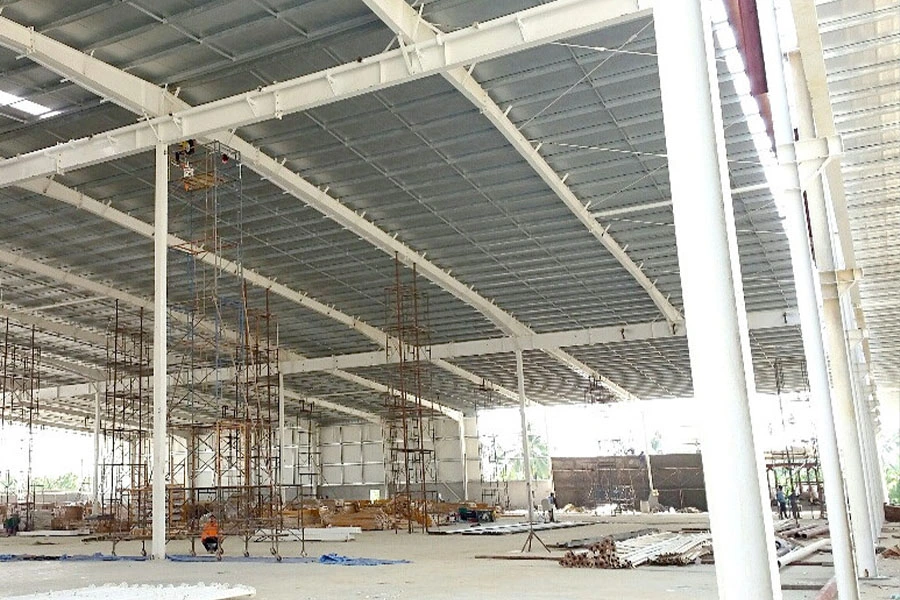
The primary frame normally includes columns, rafters or roof beams and their main connections. Portal frames are common, but the appropriate arrangement depends on building width, height, clear-span requirements, design loads and internal operations. Crane loads, mezzanines and suspended equipment must be identified because they can change member sizes and connections.
Secondary framing
Roof purlins, wall girts, bracing and related members support the envelope and help transfer forces through the structure. Their spacing and specification should be coordinated with the roof and wall systems, openings and local design requirements.
Roof, wall and foundation interfaces
The envelope may use single-skin sheets, insulated panels or another specified assembly. Buyers should compare material type, thickness, coating, insulation, fasteners, trims and accessories. Anchor bolts and base plates connect the frame to foundations, which may not be included in an export steel package.
How a warehouse system is developed
- Define the operation: confirm storage use, rack layout, vehicle routes, loading areas, equipment and clearances.
- Confirm the site basis: provide the location, applicable codes and available wind, snow, seismic, temperature and exposure information.
- Coordinate the layout: confirm length, width, eave height, roof form, column spacing, openings and future-expansion considerations.
- Specify the envelope: identify roof and wall materials, insulation, ventilation, daylighting, drainage and corrosion-protection preferences.
- Define supply boundaries: separate fabricated steel, cladding, packing and documents from foundations, local transport, erection, services and permits.
For a broader explanation of factory-engineered systems, see the guide to pre-engineered steel buildings.
Project information that affects warehouse selection
Dimensions and operating layout
Length, width and eave height define the envelope, while clear span and column spacing affect framing. The layout should support storage racks, forklifts, loading docks, equipment, fire-protection zones and maintenance access.
Environmental design conditions
The project location determines the design basis. Wind, snow, seismic conditions, temperature and corrosion exposure can affect the frame, bracing, connections and protective system. Local engineering review and approval responsibilities should be agreed for the specific project.
Cranes, mezzanines and special loads
Crane capacity, wheel loads, runway level and operating classification should be provided early. Mezzanines, suspended services, solar systems and process equipment may introduce additional loads or connection requirements.
Transport and site erection
Component dimensions and packing should be coordinated with the shipping route, container plan, destination handling and lifting equipment. Erection sequencing, temporary stability and site access remain important even when components are fabricated before shipment.
Steel warehouse supply scope
Different quotations may describe different packages. One may cover the structural frame only; another may include roof and wall systems, accessories and export packing. Local foundations, customs, inland transport, cranes, erection labour, utilities and permits may be separate.
Use the steel structure warehouse cost guide to compare quotation scope and budget inputs. If the project requires special dimensions, equipment or envelope options, the custom metal warehouse planning guide explains what information to prepare.
Questions to ask before selecting a warehouse system
- What is the intended use and operating layout?
- Which dimensions and internal clearances are fixed?
- Which design codes and environmental data apply?
- Are cranes, mezzanines or special loads required?
- What roof, wall, insulation and protection systems are specified?
- Which items are included in the supplier quotation?
- Who handles foundations, erection, permits and local review?
- What drawings and documents will be supplied?
Discuss a steel warehouse project
Qingdao Xinguangzheng Steel Structure Co., LTD supplies steel structure solutions for warehouse and industrial building projects. Review existing applications in the project portfolio and industrial project category.
For a project-specific discussion, provide the location, dimensions, use, design basis, special loads, envelope requirements and supply boundary. Contact the Xinguangzheng team with the available information.
Frequently asked questions
Is a steel structure warehouse a complete turnkey building?
Not necessarily. The term describes a structural building type, not a universal contract scope. Foundations, transport, erection, services, permits and local works may be included or excluded.
Can a steel warehouse include cranes or mezzanines?
Yes, when these requirements are incorporated into the project design. Crane data, mezzanine use, equipment loads, support positions and clearances should be confirmed before structural coordination.
What is needed for a preliminary quotation?
Provide the location, dimensions, intended use, design conditions, roof and wall preferences, openings, special loads, destination and required supply scope. Preliminary assumptions should be recorded and updated.
Does the supplier price include foundations and erection?
Not automatically. The quotation should list inclusions and exclusions so the steel supply price is not confused with the complete local construction budget.
Warehouse Project Information to Prepare Before Requesting a Quote
A useful steel warehouse proposal starts with a clear project brief. Prepare the project country and site, building use, length, width and clear height, applicable wind, snow and seismic requirements, and any crane, mezzanine, racking, door or loading-bay needs. Also identify the required wall and roof system, delivery destination, target schedule, and which work will be handled by your local contractor.
Review our industrial steel structure projects, understand our design and fabrication services, browse completed steel structure projects, or send your warehouse requirements for an initial review.