Why Steel Structure Construction is the Optimal Choice for Global Projects
For international project contractors and industrial buyers, executing overseas construction projects often involves navigating complex cross-border logistics, unpredictable local labor markets, and highly stringent timeline constraints. In today’s global engineering field, contractors work under steady pressure. They must finish projects on schedule and within fixed budgets. In such conditions, steel structure construction offers a clear solution.
Traditional brick-and-concrete methods need long curing periods and heavy wet work on-site. Steel structures instead receive precise engineering and factory production. Workers then assemble the parts quickly on site. This dry-construction method shortens building time. It also cuts weather delays and reduces effects on nearby areas. Project managers who adopt this approach see lower site costs, steadier schedules, and faster returns on investment.
Applicable Scenarios for Modern Steel Structures
The flexibility and strength of this building method suit many industrial and commercial uses. Global contractors often choose these systems for several purposes.
- Industrial Facilities:Heavy manufacturing plants, automotive centers, and multi-story industrial parks need strong load capacity. Steel meets this need with good efficiency.
- Storage Solutions:Modern e-commerce and logistics require large open floor are Steel structure warehouses provide clear interior space for tall racks and automated forklift movement.
- Public Infrastructure:Commercial exhibition centers, airport terminals, sports stadiums, and farm buildings gain from the design options and quick installation of steel frames.
Core Phases and Design Focus in Steel Frame Construction
Success in overseas projects depends on solid knowledge of the steel frame construction process. Engineers must also follow key principles that support long-term stability.
The End-to-End Construction Process
- Engineering and Detailing:The work starts with exact structural calculations. Teams use advanced Building Information Modeling (BIM) software to create 3D models. Every beam, column, and joint receives full detail. This step prevents clashes and ensures an accurate fit.
- Precision Fabrication:Raw steel plates and profiles move through cutting, drilling, and welding inside the factory. Laser plate cutters and welding robots help keep parts within international tolerance limits.
- Surface Treatment:Fabricated steel receives thorough shot blasting to remove surface dirt. Teams then apply industrial paint or hot-dip galvanizing. The choice depends on local environmental needs.
- Global Logistics:Workers number each component and pack the parts into shipping containers. They use 3D loading plans to save space and protect parts during travel.
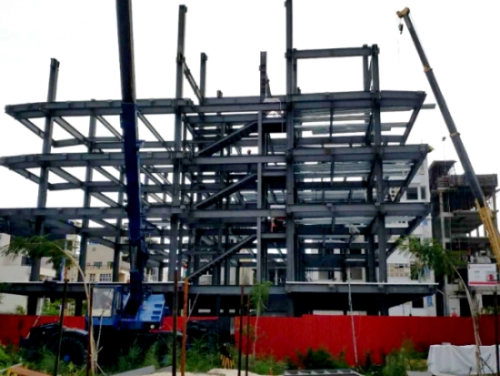
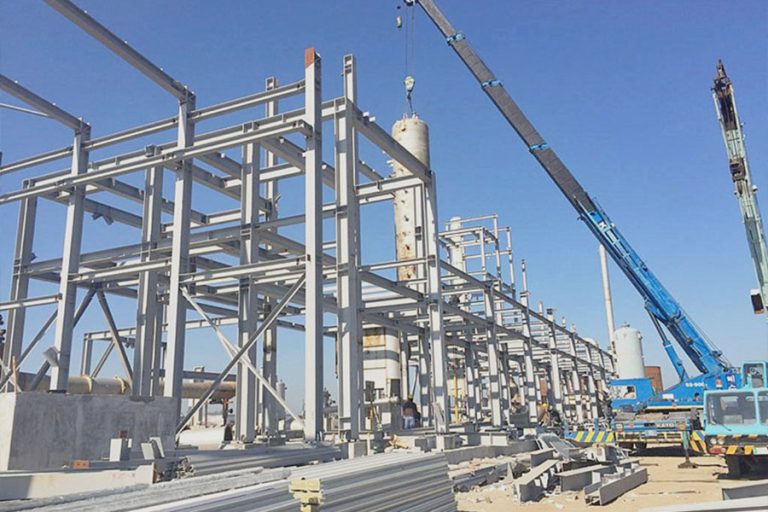
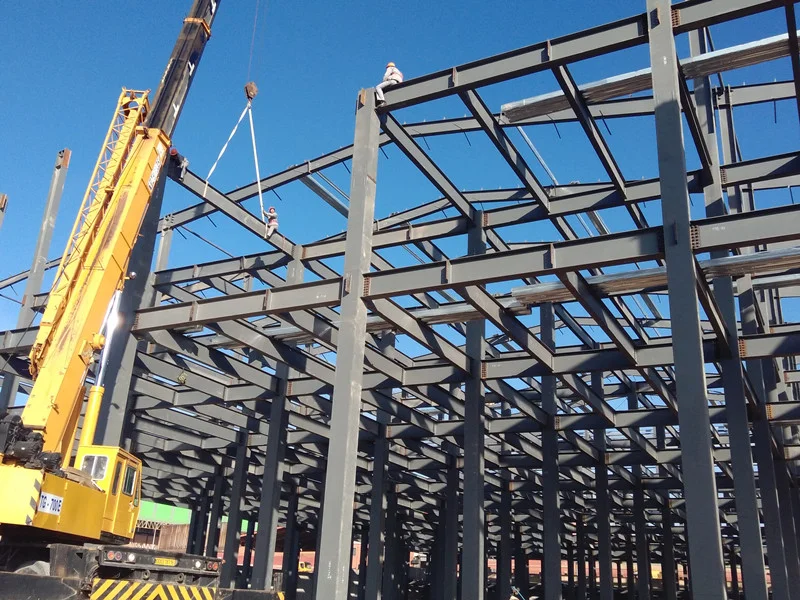
- On-Site Assembly:Local teams receive the parts and connect the main frame with high-strength bolts. This method reduces on-site welding. After the frame is in place, crews install the roof and wall panels to finish the building.
Critical Design Focus Areas
Engineers who design a large span steel structure must study local wind speeds, seismic zones, and snow loads. These buildings often remove interior columns to increase floor space. The main portal frames or truss systems must therefore carry all loads with care. The choice of envelope system also matters. Insulated polyurethane (PU) sandwich panels, rock wool boards, or single-layer profiled steel sheets each affect heat control, sound levels, and water protection.
Strategic Advantages of Prefabricated Steel Structure Buildings
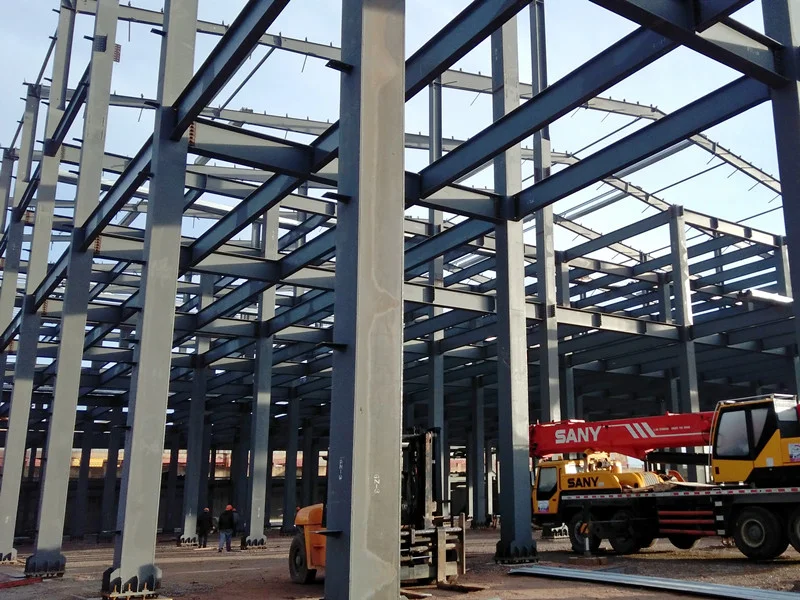
A prefabricated steel structure model gives project managers clear operational gains.
- Unmatched Construction Speed:Steel parts take shape in the factory while foundation work proceeds on site. The total project time drops sharply. Erection stays simple. A steel structure building can finish in roughly one-third the time needed for concrete structures.
- Exceptional Structural Integrity:Steel offers a high strength-to-weight ratio. Lower dead load reduces foundation size and concrete volume. Steel also absorbs energy well during earthquakes. Structures can last up to 100 years with proper care.
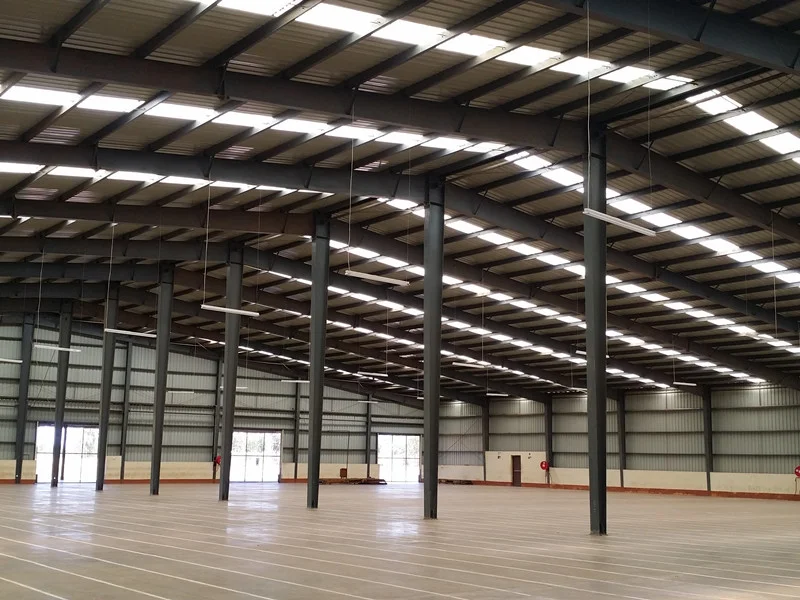
- Architectural Flexibility:Steel strength supports wide, clear spans without interior columns. This layout helps industrial users who need open space for assembly lines or storage systems.
- Sustainability and Environmental Protection:Up to 80 percent of materials in a prefab steel building can return to use at the end of service life. Assembly creates little dust or noise and meets green building goals.
Selecting a Reliable Steel Structure Factory for Overseas Projects
The choice of a steel structure factory ranks as one of the most important decisions for any contractor. A good partner must hold strong engineering credentials, use clear digital production records, and carry recognized international certificates.
At XINGUANGZHENG, the team has spent more than 25 years on the design, production, and export of steel structures. Clients now operate in over 100 countries on 6 continents. The company employs more than 1,000 people and runs 6 modern production plants. Facilities include automated box beam lines and intelligent profile marking machines. An advanced Manufacturing Execution System (MES) connects BIM models with smart equipment. This setup improves process control and quality checks from start to finish. AISC and EAC certificates confirm compliance with global standards.
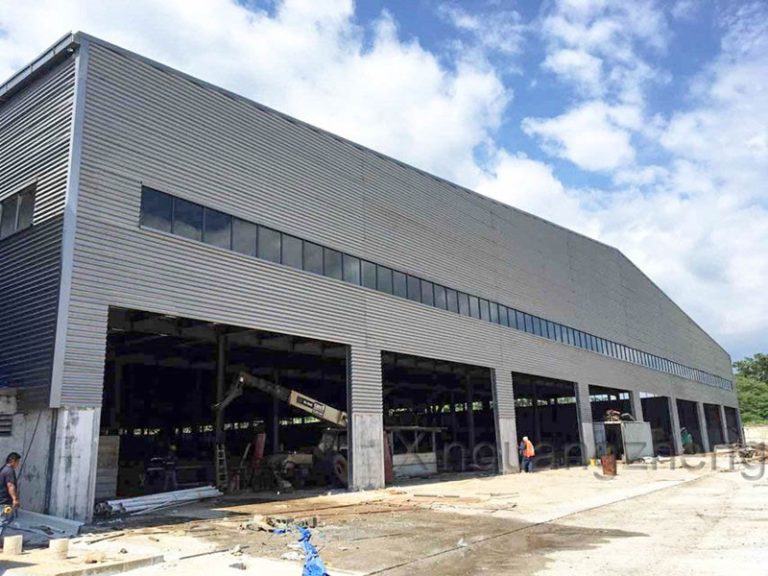
One recent warehouse project in Malawi shows the company’s capability. The team delivered two buildings of 4,500 square meters and 5,000 square meters. Engineers chose a portal frame system to create a wide open space. The steel frame received factory painting for corrosion protection suited to local weather. Local crews completed assembly on schedule.
Contractors who plan an industrial facility or commercial complex can review the global project portfolio. Direct contact with the engineering team allows discussion of specific requirements and delivery of a tailored steel structure solution.
Supplier Evaluation Matrix
Contractors can use the following matrix to compare potential partners and reduce cross-border risks.
| Evaluation Criteria | Standard Local Supplier | Professional Export Manufacturer |
| Engineering & Design | Basic 2D drafting with limited options for structural improvement | In-house certified design team and full 3D BIM modeling |
| Production Control | Manual schedules and scattered quality records | Single digital MES platform with IoT-linked equipment |
| Quality Compliance | Regional standards only | AISC, EAC, and other strict international certificates |
| Logistics & Packaging | Simple loading methods that raise risk of damage in transit | 3D container plans and custom steel transport brackets |
FAQ
Q: What factors influence the overall cost of steel structure construction?
A: Main cost drivers include the current global price of steel. Design complexity also matters. Local wind, seismic, and snow requirements set the needed steel grade and quantity. Surface treatment choice adds further cost.
Q: How does a large span steel structure maintain stability without interior columns?
A: Advanced engineering delivers stability. Rigid portal frames, space trusses, and cross-bracing move roof and wind loads to exterior columns and the foundation. No interior vertical supports remain necessary.
Q: What surface treatments are recommended for a prefab steel building in a corrosive environment?
A: Hot-dip galvanizing works well in coastal or chemical plant settings. A multi-layer coating system also performs strongly. This system uses an epoxy zinc-rich primer, a micaceous iron oxide middle coat, and a polyurethane finish coat.
Q: How is quality ensured before a prefabricated steel structure is shipped overseas?
A: Strict factory checks confirm quality. Non-destructive testing covers critical welds. Laser measurement verifies dimensions. All steps follow international quality management rules before container loading.
Information Needed to Develop a Steel Building Proposal
To move from a general building idea to a comparable proposal, prepare the project location, intended use, overall dimensions, clear-height and clear-span requirements, equipment or crane loads, preferred roof and wall system, major openings, delivery destination and target schedule. Local wind, snow, seismic and corrosion conditions must be confirmed before the structural solution is finalized.
Review our steel structure services, explore international project examples, see industrial building applications, or submit your project brief for an initial review.