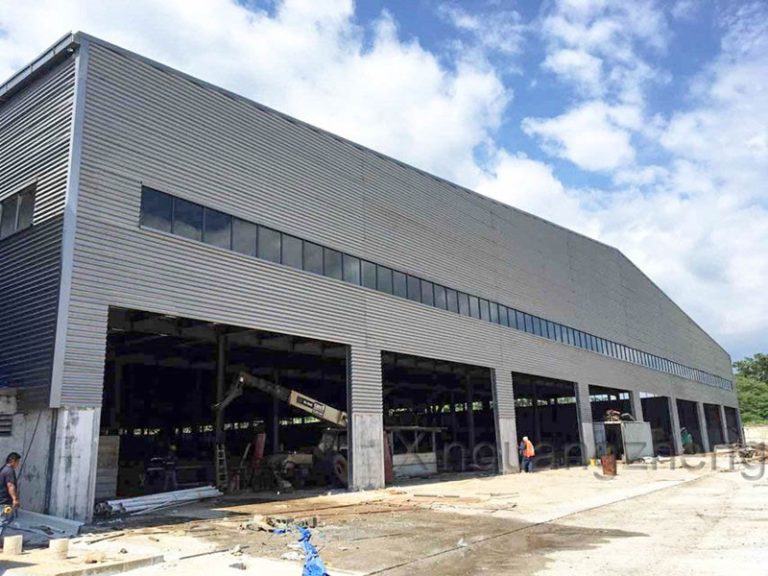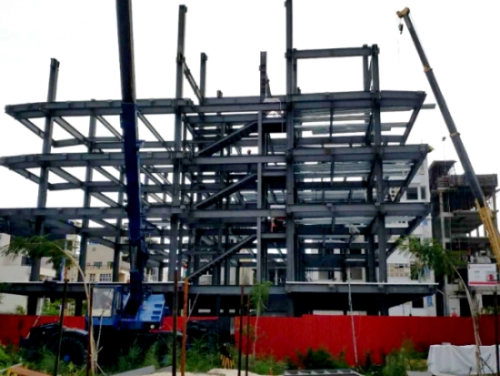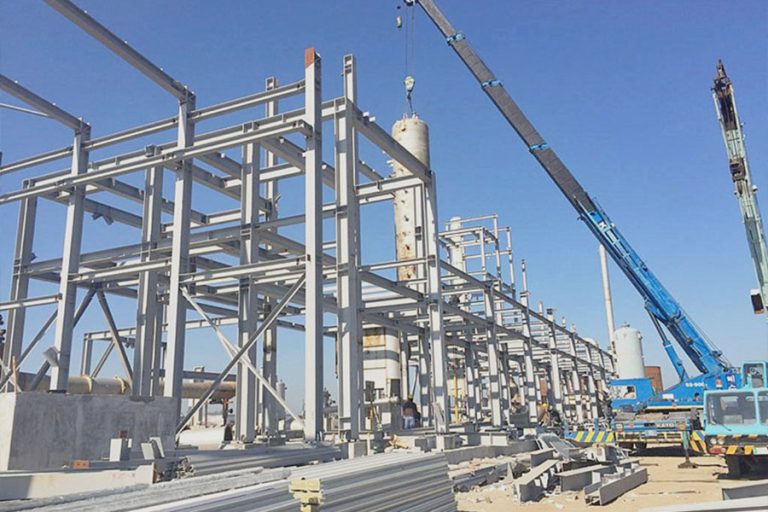
Modern warehouse construction has shifted greatly in recent years. Steel frame warehouses now attract notice as a sturdy and eco-friendly option to wood. Both steel frame warehouses and wood frame warehouses provide distinct benefits based on design aims, weather conditions, and funds. This thorough guide reviews their variations in build, power use, expense, and protection to aid smart choices for owners and builders.
What Are the Key Differences Between Steel Frame Warehouses and Wood Frame Warehouses?
Choosing the proper framing material starts with grasping how steel and wood act in structure. These traits also shape lasting results.
Structural Composition and Strength Comparison
Steel frames consist of coated sections that fight against bending or splitting as time passes. Steel’s power-to-weight balance lets designers create wide areas without thick support beams. In contrast, wood’s natural flexibility can absorb minor shifts but lacks the same load-bearing capacity.
A basic contrast points out this gap:
| Feature | Steel Frame Warehouses | Wood Frame Warehouses |
| Material Type | Galvanized steel | Natural timber |
| Load Capacity | High strength-to-weight ratio | Moderate |
| Deformation Resistance | Excellent | Limited |
Warehouses built with steel as the main material show better build firmness than usual brick-and-timber or concrete builds. This built-in power suits steel frame warehouses well for wide-reaching structures or tall designs where steadiness matters most.
Durability and Longevity Factors
Steel fights off insects, decay, and fungus. This quality holds up well in damp or bug-heavy areas. Coated galvanized steel endures for many years with basic care. Wood frames need steady checks and fixes to stop breakdown.
All warehouses face a set life span. Usual brick-and-concrete builds cannot reuse materials after teardown. Those materials turn into trash that harms nature. Steel builds reach 80% reuse rate. This reuse boosts eco-value for steel frame warehouses. It stretches usefulness past the first build.
How Do Steel Frame Warehouses Perform in Terms of Energy Efficiency?
Energy performance influences both comfort and operational costs. While steel conducts heat more readily than wood, modern insulation technologies offset this characteristic effectively.
Thermal Conductivity and Insulation Capabilities
Steel transfers heat more swiftly than timber. Thus, extra insulation layers prove vital for heat evenness. Modern heat barriers—insulating splits between metal parts—cut power waste a lot. The right insulation spots avoid moisture gathering in walls. This setup keeps inside ease across weather shifts.
Environmental Sustainability Considerations
Steel recycles without end and keeps its traits. Steel structure buildings hit power saving mark. Paired with strong wall setups like XINGUANGZHENG’s sandwich panels from rock wool or polyurethane cores with good fire block and insulation, steel frame warehouses bring clear power gains over the years.
Which Material Offers Better Fire Resistance and Safety?
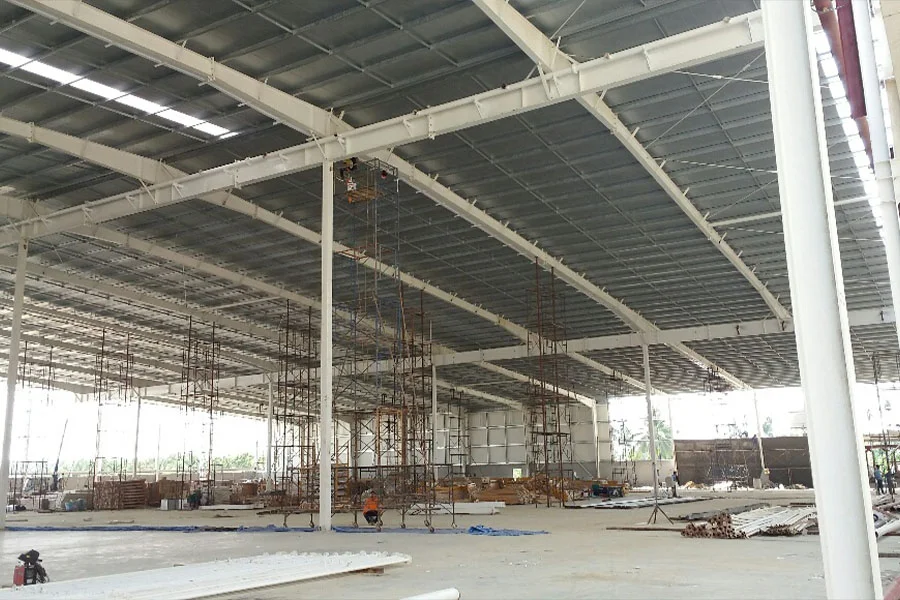
Protection stands as a top choice point when matching building materials for warehouse use.
Fire Resistance Ratings of Steel vs Wood Frames
Steel avoids burning or aiding fire growth. This makes steel fit for fire-risk areas. Wood ignites easily but can be treated with retardants to slow combustion. Building codes often prefer steel framing in warehouses due to its non-combustible nature.
Resistance to Natural Disasters and Weather Conditions
Steel’s firmness helps endure strong winds, ground shakes, or thick snow better than wood frames. Water contact swells or bends timber. Coated galvanized steel parts face little harm from moisture.
Steel’s fine bendability spreads power well in quakes, ensuring a solid quake block and high build safety that secures warehouse protection. This makes steel frame warehouses a practical solution in earthquake-prone zones or coastal climates where durability is paramount.
How Do Costs Compare Between Steel Frame Warehouses and Wood Frame Warehouses?
Budget is often a deciding factor when choosing between materials. While steel may cost more initially, its long-term value often offsets higher upfront expenses.
Initial Construction Costs
Ready-made steel setups need exact making. But on-site joining speeds up greatly, which cuts work time a bunch.
Usual brick-concrete builds call for close watch on concrete dry time. Steel parts are made in plants and just joined on-site, which is called pre-engineered building. Like that, planned steel frame warehouses lower trash during setup versus usual woodwork builds.
Long-Term Maintenance and Value Retention
Maintenance frequency directly impacts lifetime cost efficiency:
| Aspect | Steel Frame Warehouses | Wood Frame Warehouses |
| Pest Control | Not required | Regular treatment needed |
| Painting/Coating | Minimal upkeep | Frequent repainting |
| Structural Repairs | Rare | Common over the decades |
Because corrosion-protected steel resists environmental damage better than untreated lumber, resale values often remain higher for steel frame warehouses over extended ownership periods.
Summary: Choosing the Right Framing Material for Your Warehouse
Both build types hold plain strengths in line with the
 project’s aims. Wood draws with low cost and traditional appeal. Steel frame warehouses shine in lasting time, low care, fire guard, and eco-duty.
XINGUANGZHENG was founded in 1997. We act as a skilled steel structure maker. After over 20 years of firm growth, we have grown into a world private firm that blends research, design, making, setup, and after-care. With six making plants running world-wide over six lands and sales to more than 100 lands, we offer full ready-made warehouse fixes suited to varied weather—from warm shores to high hills.
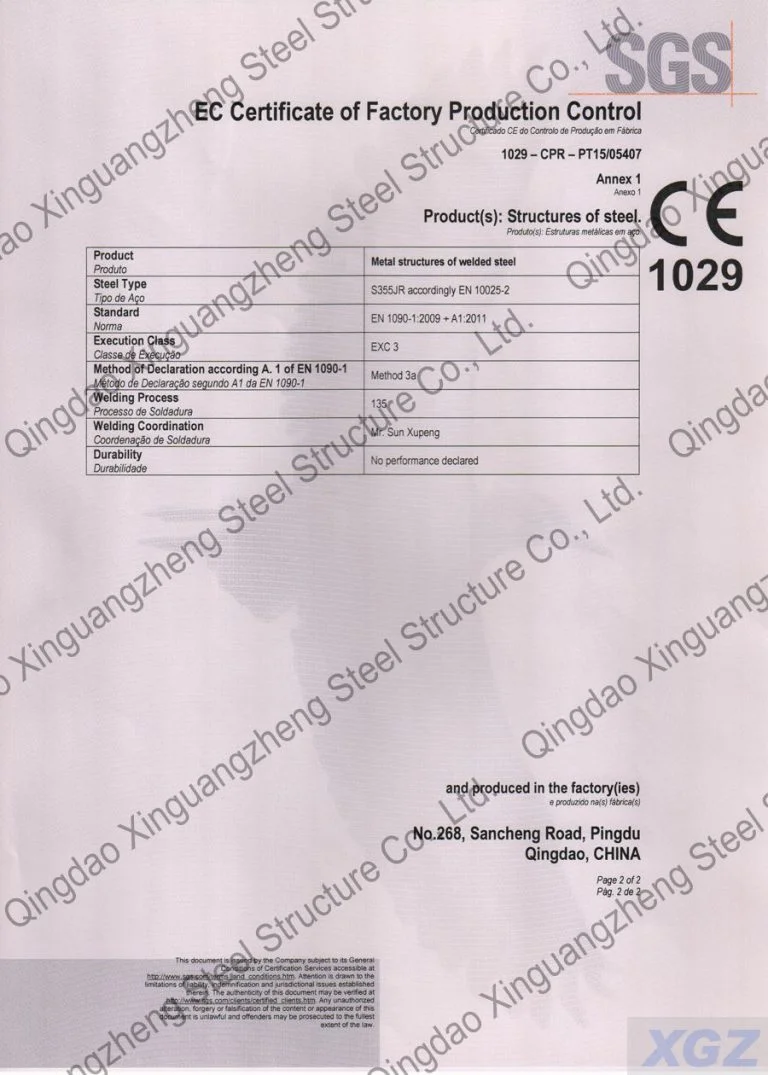
Recently, XINGUANGZHENG passed the check and approval from pros at the American Institute of Steel Construction (AISC) with a fine score of zero faults. This award backs technical care in making top build systems that match American (AISC), European (CE), Russian (EAC), and warehouse standards—making sure each warehouse hits world safety marks.
By linking new digital making control systems that mix BIM views with smart net tools across all making steps, the system has boosted making process rules a lot. These innovations help us deliver consistent quality while reducing project timelines by nearly one-third compared with conventional methods.
FAQ
Q: Are steel frame warehouses more expensive than wood-frame warehouses?
A: Start price runs a bit higher from make exact needs. Savings show up via lower care costs and longer build life versus wood picks.
Q: Can steel frame warehouses be customized like wooden warehouses?
A: Yes. Ready-made parts allow bendy plans—from simple warehouses to tall stays—while fitting new looks like glass walls or mix panels without losing power.
Q: How do steel frame warehouses perform in coastal environments?
A: Coated layers block rust even in salt-heavy spots near seas. Right outer fixes keep looking while guarding inner frames from rust over the years.
Q: Are steel frame warehouses environmentally friendly?
A: Yes. Steel’s reuse rate tops 80%. Most parts can loop back into making after teardown. This avoids dumping trash—a key win over wood-built waste flows.
Q: What certifications indicate reliable suppliers for steel frame warehouse projects?
A: Look for manufacturers holding AISC or EAC certifications—these confirm compliance with global engineering standards similar to those maintained by our company’s certified facilities worldwide.
Warehouse Project Information to Prepare Before Requesting a Quote
A useful steel warehouse proposal starts with a clear project brief. Prepare the project country and site, building use, length, width and clear height, applicable wind, snow and seismic requirements, and any crane, mezzanine, racking, door or loading-bay needs. Also identify the required wall and roof system, delivery destination, target schedule, and which work will be handled by your local contractor.
Review our industrial steel structure projects, understand our design and fabrication services, browse completed steel structure projects, or send your warehouse requirements for an initial review.