What is a steel structure factory building?
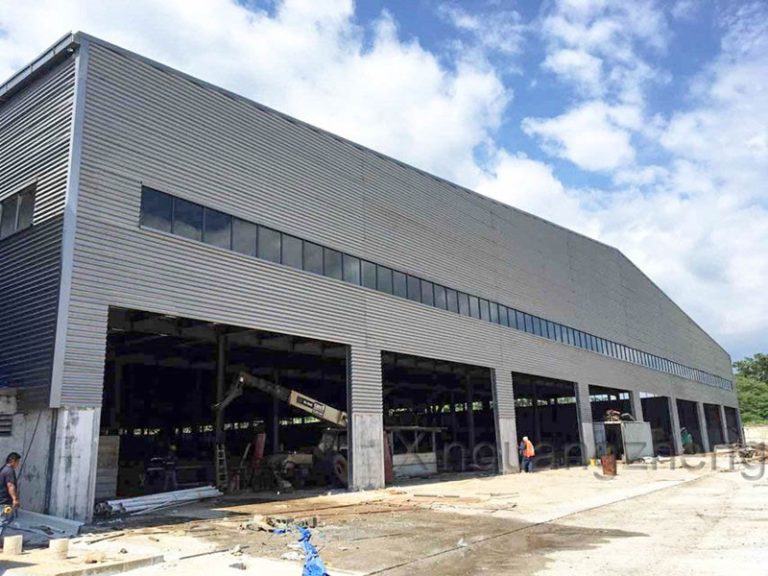
Industrial steel buildings include factories, workshops and related facilities. A steel structure factory building is an industrial facility whose main load-bearing frame is made from structural steel and coordinated around a production process. Unlike a general storage building, a factory may need to accommodate machinery, cranes, production lines, utilities, maintenance access and changing operational loads.
Contractors and engineering companies should define the process layout and equipment interfaces before the structural proposal is finalized. External dimensions alone are not enough for a reliable factory-building quotation.
Start with the manufacturing process
- Map raw-material receipt, production stages and finished-goods dispatch.
- Identify equipment footprints, operating zones and maintenance access.
- Confirm vehicle, forklift and personnel circulation.
- Define clean, controlled, hazardous or temperature-sensitive areas.
- Coordinate future equipment or production-line changes.
The structural grid, clearances, openings and floor requirements should respond to this operating plan.
Key structural and building components
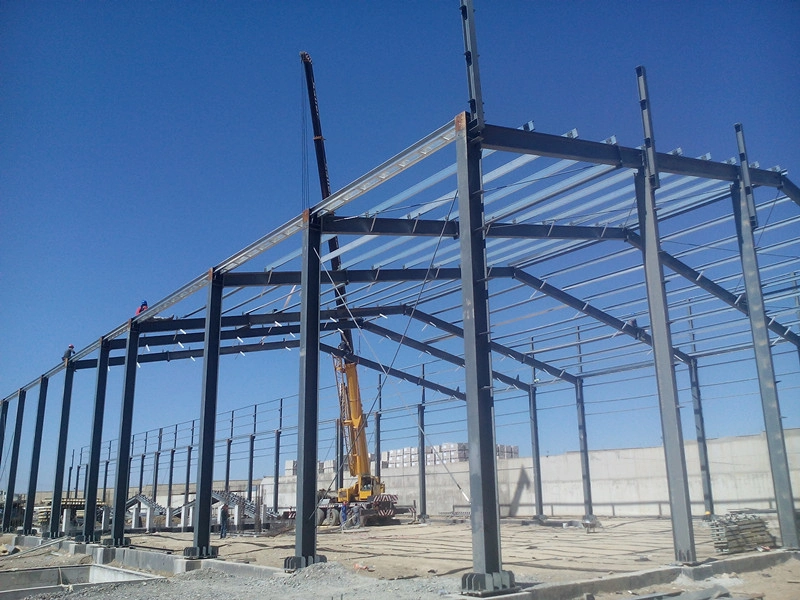
Primary and secondary framing
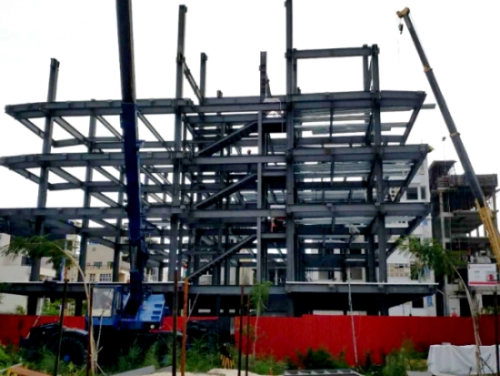
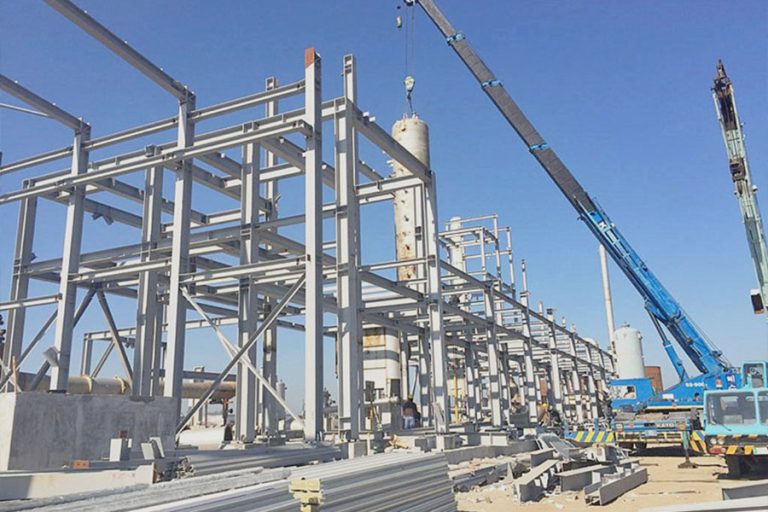
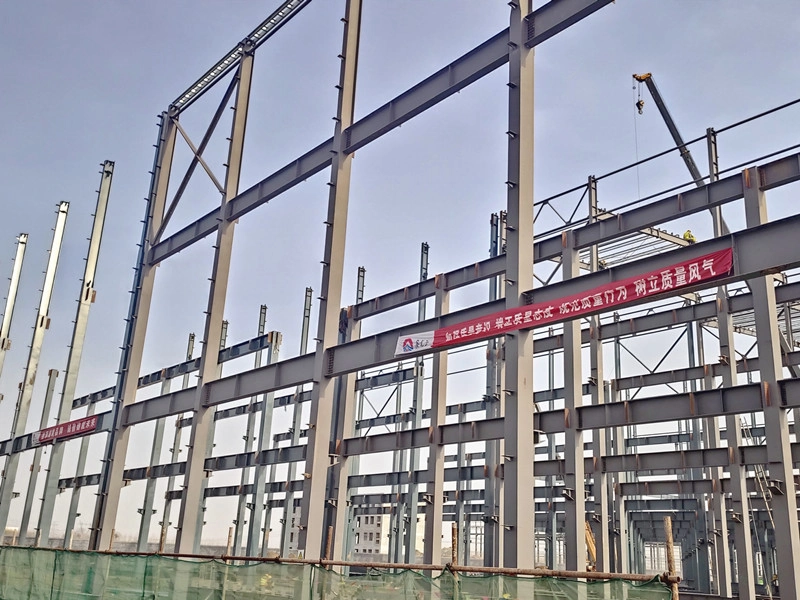
Columns, rafters or roof beams and main connections form the primary frame. Purlins, girts and bracing support the envelope and transfer forces through the building. Their arrangement depends on dimensions, loads, openings and the applicable design basis.
Roof and wall systems
The envelope should be specified for weather protection, temperature, condensation, ventilation, daylighting and corrosion exposure. Material type, thickness, coating, insulation, fasteners, trims and drainage should be compared as a complete assembly.
Foundations and floor
Foundation design depends on geotechnical information and structural reactions. Factory floor slabs also respond to equipment bases, traffic, storage loads, vibration, drainage and process requirements. These works may be outside an export steel package.
Cranes, machinery and special loads
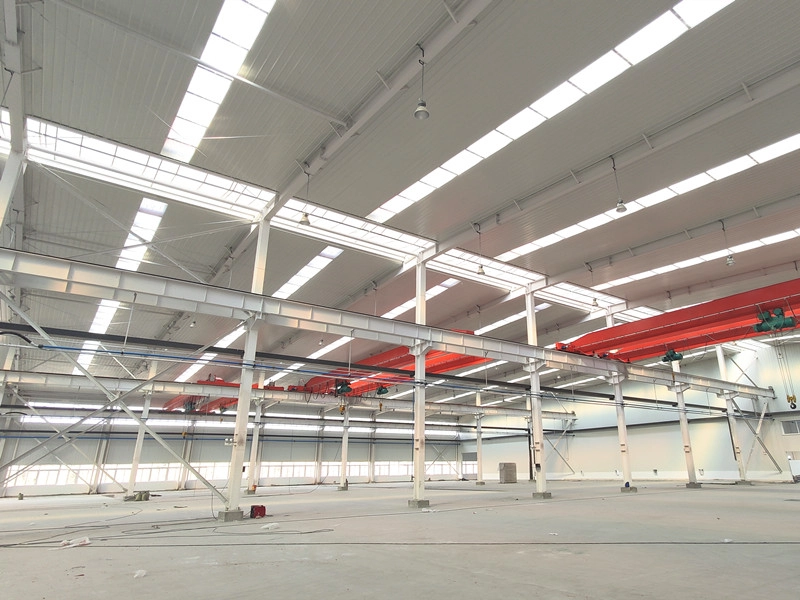
Provide crane capacity, span, runway elevation, wheel loads, operating classification and clearances. Identify mezzanines, suspended services, conveyors, tanks, solar systems and other equipment that may impose loads or require connections.
Equipment suppliers, structural engineers and the local contractor should coordinate anchor locations, penetrations and installation tolerances before fabrication.
Site design conditions and local responsibilities
Confirm the project location, applicable design requirements and available wind, snow, seismic, temperature and exposure information. Local professional review, permits, fire strategy and environmental requirements remain project-specific.
The quotation should identify which party supplies calculations, drawings, fabrication documents and installation information, and which party handles local approval.
Factory fabrication and site erection
Once approved information is released, structural components can be fabricated, identified and packed for delivery. Site teams then coordinate foundations, anchors, lifting, erection sequence, temporary stability, envelope installation and inspections.
A prefabricated package may reduce the amount of site fabrication, but it does not guarantee a fixed construction period or remove the need for competent site planning. Review the broader pre-engineered steel building process.
Information required for a factory-building quotation
- Project location and intended manufacturing use
- Building dimensions, roof form and required clearances
- Production layout and equipment arrangement
- Applicable design basis and available site data
- Crane, mezzanine and special-load information
- Door, window, canopy and penetration schedule
- Roof, wall, insulation and protection requirements
- Foundation and equipment-base interfaces
- Required supply scope, delivery term and destination
- Target schedule and current drawing revision
Define the supply boundary
The package may include structural steel, selected cladding, accessories, packing and agreed documents. Foundations, slabs, local transport, customs, erection labour, lifting equipment, utilities, fire protection, process systems and permits may be separate.
Use the guide to contractor and supplier responsibilities to allocate each item. Related industrial applications are available in the industrial project category.
Discuss an industrial factory project
Qingdao Xinguangzheng Steel Structure Co., LTD supplies steel structure solutions for factory, workshop and warehouse projects. Review existing applications in the project portfolio.
Contact the Xinguangzheng team with the process layout, dimensions, site inputs, equipment loads and required supply scope.
Frequently asked questions
How is a factory building different from a warehouse?
A factory is coordinated around production equipment, process flow, utilities and operating loads. A warehouse is primarily planned around storage and material movement, although some requirements overlap.
Can a steel factory building support overhead cranes?
Yes, subject to project-specific engineering and confirmed crane data. Capacity alone is insufficient; wheel loads, span, level, classification and clearances are also required.
Can the factory be expanded later?
Expansion can be considered during planning, but feasibility depends on the site, structural system, bracing, loads, connections and expansion direction.
Does the steel package include the factory floor and equipment bases?
Not automatically. These items must be identified in the quotation and coordinated with local geotechnical, structural and process requirements.
Information Needed to Develop a Steel Building Proposal
To move from a general building idea to a comparable proposal, prepare the project location, intended use, overall dimensions, clear-height and clear-span requirements, equipment or crane loads, preferred roof and wall system, major openings, delivery destination and target schedule. Local wind, snow, seismic and corrosion conditions must be confirmed before the structural solution is finalized.
Review our steel structure services, explore international project examples, see industrial building applications, or submit your project brief for an initial review.